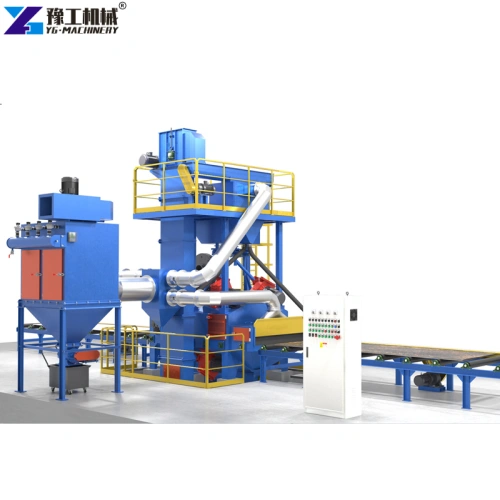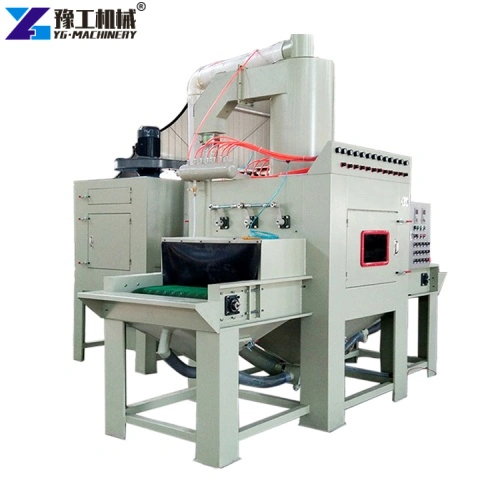

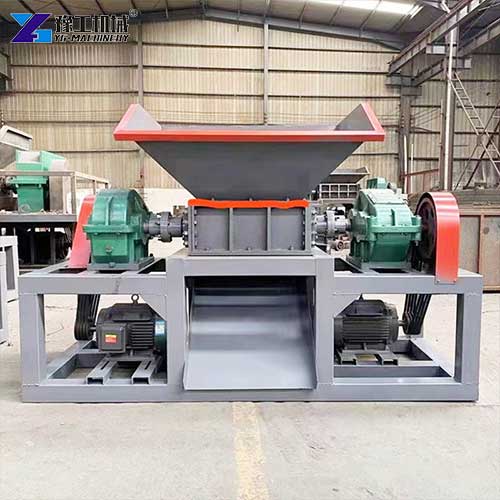
Not all shredders are the same. A machine that works perfectly for plastic recycling will struggle with car bodies. A shredder designed for light scrap will stall on heavy steel beams. Choosing the wrong dual-shaft shredder costs time, money, and lost production. The YG series machine offers nine models with processing capacities from 2 to 60 tons per hour and power configurations from 4-15kW to 4-160kW. Every model features dual-shaft shearing technology, heavy-duty construction, and PLC-controlled operation. For recyclers looking for an industrial metal shredder that matches their specific material stream, the YG series delivers proven, reliable performance.
YG Dual-Shaft Shredder Parameters:
| Model | YG-600 | YG-800 | YG-1000 | YG-1200 | YG-1400 | YG-1600 | YG-1900 | YG-2200 | YG-2600 |
| Power | 4-15*2 kw | 4-22*2kw | 4-30*2kw | 4-37*2kw | 4-45*2kw | 4-75*2KW | 4-90*2kw | 4-132*2kw | 4-160*2kw |
| Spindle Model | 18-20r/min | 18-35r/min | 18-35r/min | 18-35r/min | 14-35r/min | 14-25r/min | 14-25r/min | 16-25r/min | 16-25r/min |
| Capacity | 2-3t/h | 3-5t/h | 5-8t/h | 6-10t/h | 8-12t/h | 12-18t/h | 16-22t/h | 20-26t/h | 25-60t/h |
| Broken Size | 3-10cm | 3-10cm | 3-10cm | 3-10cm | 3-10cm | 3-10cm | 3-10cm | 3-10cm | 3-10cm |
| Hopper Size | 820*900mm | 900*1000mm | 1200*1000mm | 1400*1000mm | 2000*2000mm | 2300*2000mm | 2300*2000mm | 2500*1800mm | 2425*1400mm |
| Dimensions | 2600*2000*1900mm | 2800*2000*1900mm | 3000*2000*1900mm | 3200*2000*1900mm | 4000*1700*2400mm | 5000*3000*2400mm | 6000*3500*2400mm | 7000*4000*4500mm | 8200*4000*4300mm |


Why Choose a Dual-Shaft Shredder for Metal?
A scrap shredder machine handles the toughest materials in recycling. Unlike single-shaft shredders that rely on a rotating rotor against a fixed bed knife, a dual-shaft shredder uses two counter-rotating shafts with interlocking blades. This design creates a shearing and tearing action that grips and pulls material into the cutting chamber.
Double-shaft shredders are the preferred choice for scrap metal processing due to their ability to efficiently handle tough, bulky materials with high throughput and minimal pre-processing. They handle bulky, dense, or tough materials that would damage other shredder types.
The YG series steel shredder for sale is engineered for continuous operation in demanding environments. Whether you are processing car bodies, steel drums, aluminum extrusions, or mixed industrial scrap, the dual-shaft design delivers consistent results.
The First Question: What Are You Shredding?
Material type is the most important factor in shredder selection. A shredder responds differently to a thick steel plate than to light sheet metal. The YG series dual-shaft shredder handles a wide range of metal materials:
- Heavy structural steel. Car bodies, engine blocks, steel beams, and thick plates require high torque and heavy-duty blades. The YG-1600 through YG-2600 models with higher power configurations handle these demanding materials.
- Light and thin scrap. Sheet metal, cans, wire, and appliance housings are easier to shred but require anti-tangling designs to prevent wrapping. The YG-600 through YG-1000 models process these materials efficiently.
- Mixed materials. Scrap containing non-metallic impurities—rubber, plastic, or wood attachments—requires robust shredding to liberate metals for downstream separation. The YG series handles mixed feeds without excessive wear.
- The wrong choice: Using an undersized shredder on heavy steel will damage blades and motors. Using an oversized shredder on light scrap wastes energy and capital. Match the machine to the material.

The Second Question: How Much Do You Need to Process?
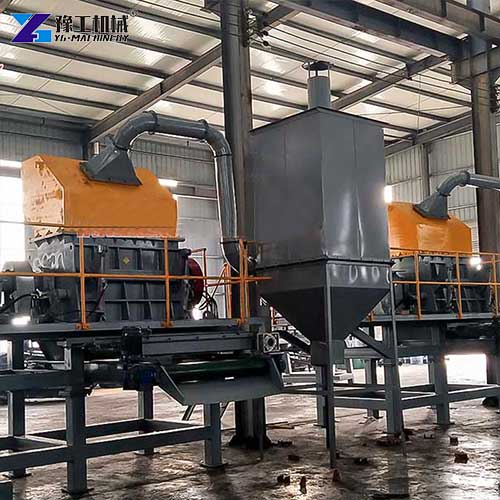
Capacity determines profitability. Underestimating capacity leads to frequent downtime and lost efficiency. The YG series scrap shredder machine offers nine models across a wide capacity range.
Small recycling stations processing 1-5 tons per hour typically choose smaller models. Medium and large production lines handling 6-30 tons per hour require heavier-duty machines. Super heavy-duty crushing above 18 tons per hour needs the largest models.
The rule: Choose a machine with at least 20% more capacity than your current peak demand. This provides room for growth and handles occasional surges without overloading the system.
The Third Question: What Output Size Do You Need?
Output size determines downstream processing. Different applications require different fragment sizes.
Dual-shaft shredders produce coarser, more irregular output compared to single-shaft or four-shaft machines. This is by design—dual-shaft shredders are primary reduction tools, not finishing machines. The YG series industrial metal shredder produces fragments in the 3- 10 cm range across all models. This size is suitable for:
- Magnetic separation and eddy current sorting
- Feedstock for downstream hammer mills or granulators
- Direct melting in many foundry applications
- Volume reduction for transport and storage
If you need finer output: The YG series serves as the primary shredder in a multi-stage system. The coarse output feeds into secondary crushers or granulators for final size reduction.
If you need uniform output: Four-shaft shredders or single-shaft shredders with screens provide more consistent particle sizes. But for primary metal reduction, the dual-shaft design delivers the torque and throughput needed for tough materials.


The Fourth Question: What Blade Material Do You Need?
Blade material directly affects service life, cutting performance, and maintenance cost. The YG series uses different blade materials for different applications.
- 9CrSi (Chromium-Silicon) tool steel offers high hardness and good wear resistance but is more brittle. It is suitable for softer materials like rubber, fiber, and paper. For metal recycling, 9CrSi is typically used for lighter-duty applications.
- Cr12MoV cold-work die steel provides excellent wear resistance and impact resistance. It is suitable for shredding wood, furniture, and hard plastics.
- SKD-11 cold-work die steel offers similar properties to Cr12MoV with slightly different alloying. It is well-suited for demanding metal shredding applications.
The practical difference: Harder materials like SKD-11 and Cr12MoV last longer when processing metal scrap. Softer materials like 9CrSi work well for lighter applications but wear faster on heavy metal. The YG series blade material is matched to the application.
Blade life depends on the material being processed and usage frequency. Harder materials and higher throughput accelerate blade wear. Blades are replaceable individually, reducing maintenance costs and downtime.
The Fifth Question: What Drive System and Controls Do You Need?
The YG series dual-shaft shredder uses dual motors driving each shaft independently. This provides:
- Independent torque control. Each shaft operates at the optimal speed and torque for the material being processed. This prevents stalling and improves efficiency.
- Auto-reverse protection. The PLC control system automatically reverses shaft rotation when the machine detects an overload or material jam. This releases obstructions and prevents damage to blades, shafts, and the drive system.
- Continuous operation. The independent drive system and PLC controls support multi-shift operation with minimal downtime.
- The control system uses trusted electrical components, ensuring reliable operation in demanding industrial environments.


Steel Shredder For Sale
If you need an industrial metal shredder for metal recycling, the YG series provides reliable, proven performance. Contact us with your material type, processing requirements, and output size needs. We will recommend the right model for your operation. Get a free quote for your scrap shredder machine today.