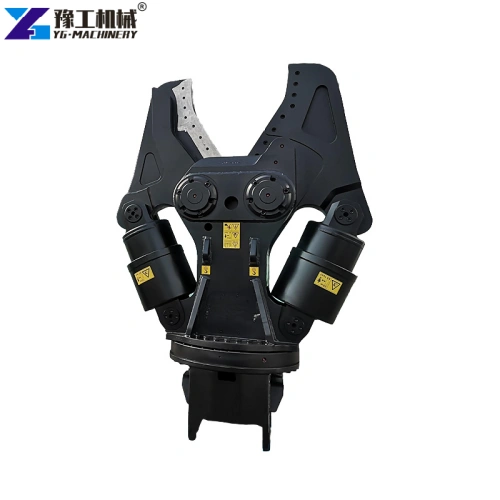
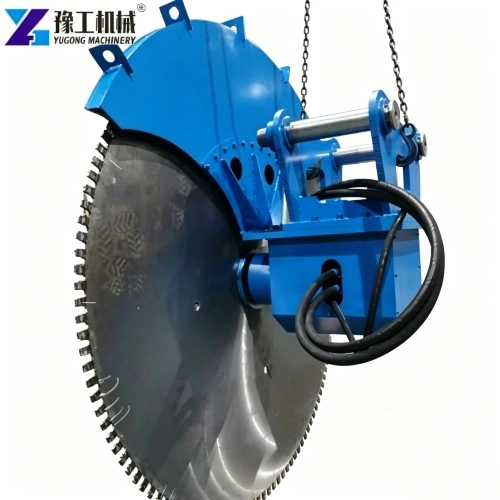
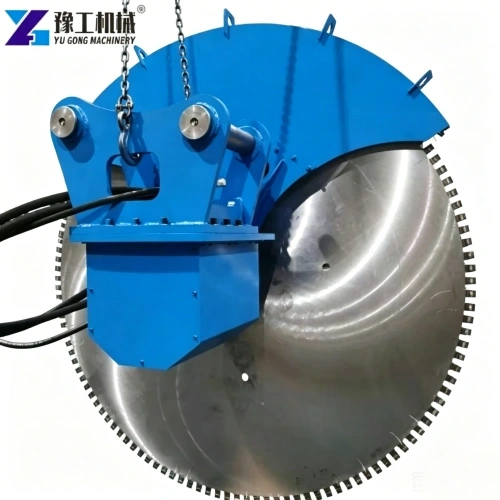
In hard rock operations such as mining, tunnel excavation, and municipal infrastructure construction, the rock saw machine, as a core excavator rock saw attachment, is gradually replacing traditional blasting and pneumatic hammer breaking methods, becoming an essential piece of equipment in modern engineering construction, thanks to its advantages of precise cutting, high efficiency, and environmental friendliness. As a professional hydraulic rock saw machine attachment, it is directly compatible with various excavators, eliminating the need to purchase a dedicated main unit, thus reducing equipment investment costs and improving operational flexibility. Whether selecting an excavator rock cutter for sale or maintaining existing equipment, understanding its core features and identifying a reliable rock saw machine manufacturer are key to ensuring construction efficiency and reducing maintenance costs. Contact YG now for more information and the latest rock cutter quotes.
YG Rock Saw Machine Parameter
| Model | YG-CF1 | YG-CF2 | YG-CF3 | YG-CF4 |
| Suitable for excavators | 2~4T | 6~9T | 10~18T | 20~30T |
| Saw Disc Diameter | 0.4~0.8M | 1.2~1.6M | 1.8~2.2M | 2~2.8M |
| Cutting width | 5mm | 9mm | 14mm | 20mm |
| Cutting depth | ≤400mm | ≤800mm | ≤1100mm | ≤1400mm |
| Pressure | 30Mpa | 30Mpa | 30Mpa | 30Mpa |
| Flow | 30L/min | 80L/min | 120L/min | 190L/min |
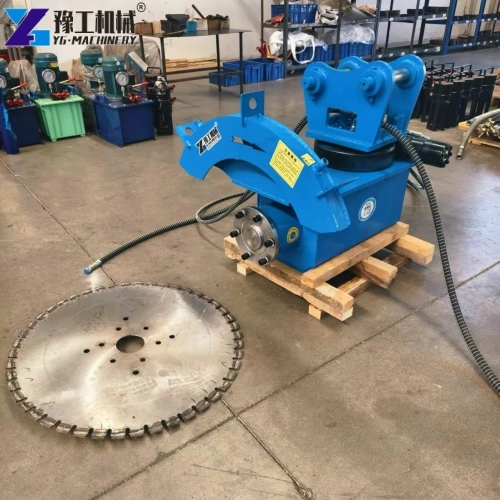
Mainstream Types of Rock Saw Machine
The first step in selecting a rock saw machine is to understand the characteristics and suitable scenarios for different types of products, as follows:
1. Single-Disc Hydraulic Rock Saw (General Purpose)
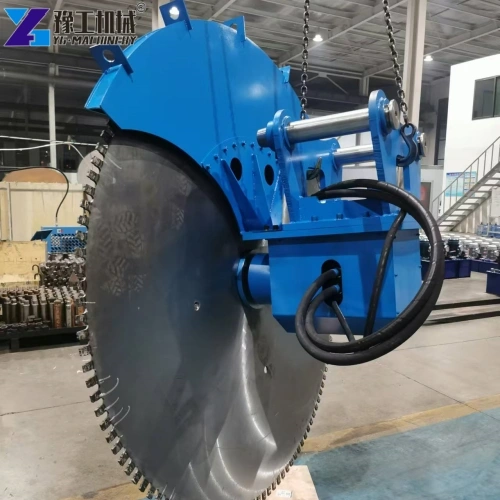
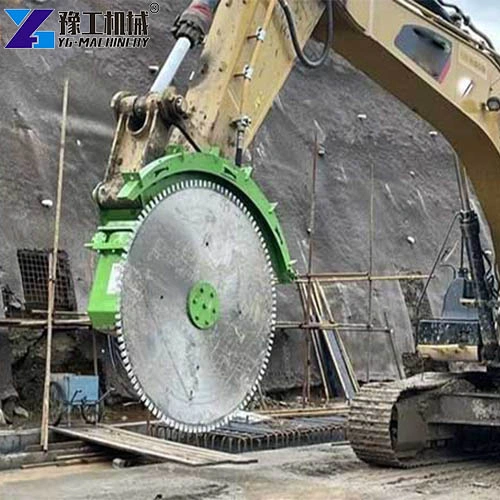
The most common rock saw machine attachment, featuring a single diamond disc saw blade design, is driven by the excavator’s hydraulic system. It has a compact structure, flexible operation, and is suitable for 5-30 ton excavators. It has 360° hydraulic rotation, enabling vertical and horizontal bidirectional cutting. It is primarily used for cutting medium-to-low hardness materials such as granite, marble, and ordinary concrete. It is the first choice for mining block shaping, municipal road reconstruction, and small tunnel excavation, offering high cost-effectiveness and easy maintenance.
2. Double-Disc Hydraulic Rock Saw (Heavy-Duty)
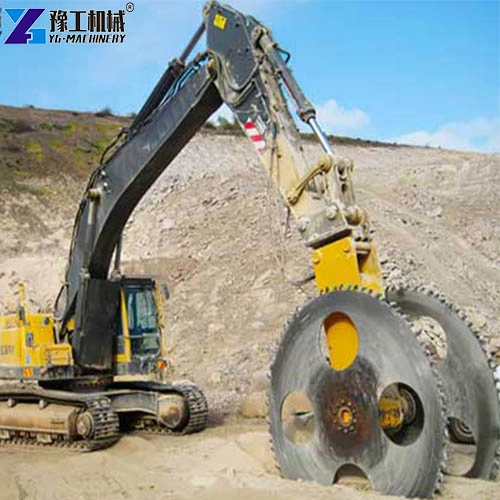
Features a parallel layout of two saw blades, increasing cutting width and efficiency by over 60% compared to the single-disc model. Driven by dual hydraulic motors, it offers strong torque and high stability, suitable for 20-50 ton heavy-duty excavators. Designed specifically for high-hardness basalt, reinforced concrete, and heavy stone quarrying, this saw boasts a cutting depth of up to 1200mm. It features resistance to eccentric loads and chipping resistance, making it suitable for high-intensity, deep-cutting scenarios such as large-scale mines, heavy tunnels, and water conservancy projects.
3. Disc Rock Saw (Multi-functional)
Also known as a milling rock saw, this saw employs a ring-shaped toothed disc design, combining cutting and crushing functions. It can handle extremely hard rocks, frozen soil, and reinforced concrete components. Compatible with 25-75 ton super-heavy-duty excavators, it achieves a cutting depth of 600-1000mm, enabling continuous grooving operations without secondary crushing. Suitable for complex conditions such as ultra-hard rock tunnels, large building demolition, and airport runway renovation.
YG Rock Saw Machine Advantages and Disadvantages
Advantages
- High-quality materials: The saw body is made of Hardox 500 wear-resistant steel, and the saw blade uses high-concentration diamond tips (HRC60-62), extending service life by 50% compared to ordinary products.
- Highly adaptable hydraulic system: Compatible with various brands of excavators; quick-change interface design allows for installation and commissioning within one hour.
- Modular design: Common and easy-to-replace wear parts, reducing maintenance costs by 35%.
- Covers all models from 5-50 ton excavators, supports customized modifications, and adapts to various complex working conditions.
Disadvantages
- Heavy-duty/super-heavy-duty models are relatively heavy, making them incompatible with smaller tonnage excavators; strict matching of the host machine’s tonnage is required.
- High-end models are more expensive than ordinary brands; customers with short-term, sporadic work are advised to choose an entry-level model.
Important Considerations When Purchasing a Rock Saw Machine
Selecting a rock saw machine. When using a rock saw, avoid these three common mistakes:
- Don’t blindly choose oversized blades. The cutting depth and blade diameter must match the operational requirements to avoid overloading the machine or underloading it, which can damage the main unit.
- Don’t neglect hydraulic parameters. Ensure the rock saw’s pressure and flow rate match the excavator’s hydraulic system; otherwise, problems such as insufficient power and jamming may occur.
- Don’t be tempted by cheap, inferior products. Low-priced products often use ordinary steel and low-quality diamonds, which are prone to chipping, have a short lifespan, and result in higher long-term maintenance costs.
Common Problems and Repair Solutions for the Rock Saw Machine
1. Slow Cutting Speed and Jamming of the Saw Blade
Core Causes: Worn saw blade edge, diamond particles falling off; insufficient hydraulic system pressure, deteriorated hydraulic oil quality, or clogged filter; debris embedded in the rock, causing uneven force distribution.
Solutions: Sharpen the saw blade promptly; replace with a new diamond saw blade if severely worn; replace with standard anti-wear hydraulic oil; clean or replace clogged filters to ensure stable hydraulic pressure; clean the surface and interior of the rock before operation to prevent damage to the saw blade.
2. Saw Blade Chipping and Breakage
Main Causes: Overloading; cutting hard objects beyond the equipment’s capacity; insecure saw blade installation; excessive spindle radial runout; cooling system malfunction; excessively high saw blade temperature.
Solutions: Strictly adhere to the cutting range specified in the equipment manual; avoid overloading; check saw blade installation, ensuring the flange is flat and securely fixed; calibrate spindle runout; check the cooling system, ensuring proper water spraying and avoiding high-temperature saw blade operation.
3. Abnormal noises and oil leaks during equipment operation.
Main causes: Most likely caused by hydraulic motor wear, aging seals, insufficient lubrication of the saw arm pins, sand and gravel intrusion, or damaged hydraulic lines.
Solutions: Regularly maintain the hydraulic motor and replace aging seals; apply high-temperature, extreme-pressure lithium-based grease to the moving pins; replace damaged dust rings to prevent sand and gravel intrusion; inspect hydraulic lines, repair damaged areas, and tighten loose joints.
4. Poor compatibility with excavators, unable to operate normally after installation.
Main causes: Incompatible interface models; incorrect hydraulic line connections; incompatible excavator hydraulic system pressure with equipment requirements.
Solutions: Ensure the equipment interface is compatible with the excavator model during purchase; it is recommended to purchase from a reputable rock saw machine manufacturer; strictly follow the instruction manual for hydraulic line connections, strictly prohibiting reverse or incorrect connections; adjust the excavator hydraulic system pressure to meet the equipment’s operating requirements.