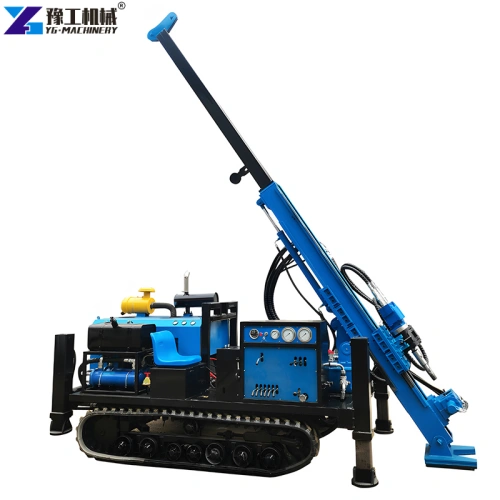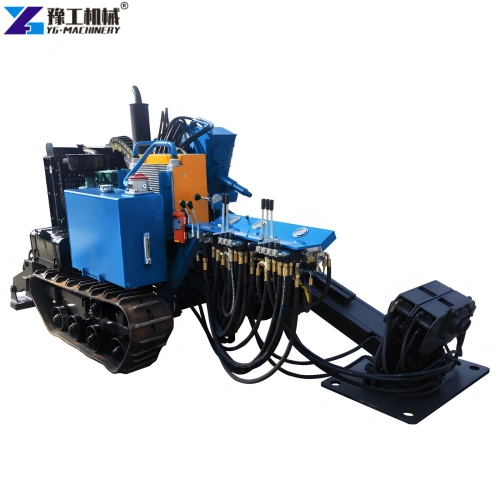


The deep well drilling machine is a multi-functional drilling solution built to complete domestic water well construction and geological core sampling tasks. Unlike fully hydraulic core drilling rigs that only support wireline core extraction, this equipment balances two core working scenarios efficiently. Operators can configure matching accessories to switch between water boring and rock coring according to project requirements. This deep well drilling machine adapts to diverse geological layers, and it becomes the preferred selection for small and medium engineering contractors.
Many buyers search for reliable water drilling equipment for sale when they need a flexible rig that is not limited to a single operation. When comparing options, this stands out among competitors, and it is widely recognized as a practical water well drilling rig machine for field operations. If you are sourcing a durable water well boring machine for long-term site use, this model delivers stable performance across different terrain.
Deep Well Drilling Machine Parameters:
| Model | YG-180 | YG–200 | YG–300 | YG–300A | YG–400 | YG–600 |
| Drilling hole diameter | 140-254mm | 140-305mm | 140-325mm | 140-325mm | 140-350mm | 140-350mm |
| Drilling depth | 180m | 200m | 300m | 300m | 400m | 600m |
| One-time advance length | 3.4m | 3.4m | 6.6m | 3.4m | 6.6m | 6.6m |
| Walking speed | 2.5km/h | 2.5km/h | 2.5km/h | 2.5km/h | 2.5km/h | 2.5km/h |
| Climbing angles (Max.) | 30 | 30 | 30 | 30 | 30 | 30 |
| Equipped capacitor | 55kw | 65-70kw | 84kw | 75.8kw | 92kw | 115kw |
| Using air pressure | 1.7-2.5mpa | 1.7-3.0mpa | 1.7-3.3mpa | 1.7-3.0mpa | 1.7-3.5mpa | 1.7-3.5mpa |
| Air consumption | 17-31m³/min | 17-30m³/min | 17-35m³/min | 17-35m³/min | 17-35m³/min | 17-35m³/min |
| Drill pipe length | 1.5m, 2.0m, 3.0m | 1.5m, 2.0m, 3.0m | 1.5m, 2.0m, 3.0m,6.0m | 1.5m, 2.0m, 3.0m | 1.5m, 2.0m, 3.0m,6.0m | 1.5m, 2.0m, 3.0m,6.0m |
| Drill pipe diameter | 76mm, 89mm | 76mm, 89mm | 89mm, 102mm | 76mm, 89mm, 102mm | 89mm,102mm,108mm | 102mm,108mm,114mm |
| Rig lifting force | 15t | 12t | 20t | 16t | 22t | 28t |
| Swing speed | 45-65rpm | 45-70rpm | 45–115rpm | 40–70rpm | 45-115rpm | 45–115rpm |
| Swing torque | 3200-4600(N.m) | 3500-4800(N.m) | 6200-8500(N.m) | 5700-7500(N.m) | 6500-9000(N.m) | 8500-11000(N.m) |
| Dimension | 3800*1500*2200mm | 4000*1750*2450mm | 5900*2000*2850mm | 4100*1950*2600mm | 5900*2100*2850mm | 6000*2200*2850mm |
| Weight | 4500kg | 5800kg | 9000kg | 7000kg | 10000kg | 12000kg |


Drilling Parameter Guide For Deep Well Drilling Machine Across Different Formations
Getting the best drilling performance requires matching your operating parameters to the actual ground conditions. Here is a practical reference guide based on common formation types:
- Soft Soil and Clay Layers: Use mud circulation drilling mode with medium spindle speed. The mud flow carries cuttings upward and forms a protective filter cake on the borehole wall to prevent collapse. Moderate feed pressure works best here — too much weight on the bit can cause the drill to deflect or stick.
- Sand and Gravel Formations: Lower the spindle speed and increase mud viscosity to stabilize the hole. Gravel layers cause more vibration during drilling, so steady, controlled feed rates produce better results. Make sure the mud circulation system delivers sufficient volume to flush all gravel cuttings out of the hole.
- Medium Hard Rock Such As Limestone: Switch to pneumatic drilling mode with higher spindle speed. The air flow cools the drill bit and flushes rock cuttings efficiently. Adjust feed pressure based on rock hardness — harder formations require more weight on bit to maintain penetration rate.
- Hard Bedrock and Granite: Use pneumatic drilling with lower speed and higher torque. Hard rock wears drill bits faster, so inspect bit condition regularly and replace worn bits before they cause slowdowns. Consistent steady feed pressure delivers better results than forcing the drill too hard.
Common Drilling Problems And Practical On-Site Solutions
- Borehole Collapse in Loose Soil: This happens most often in unconsolidated sand or gravel layers when using pneumatic drilling. The solution is to switch immediately to mud circulation drilling with increased mud viscosity. The mud forms a protective wall cake that holds the loose formation in place. If collapse has already occurred, circulate heavy mud to fill the collapsed section before resuming drilling.
- Slow Penetration Rate In Hard Rock: When drilling speed drops suddenly in hard rock, first check the drill bit condition — worn or damaged bits lose cutting efficiency quickly. If the bit looks good, adjust feed pressure and spindle speed to find the optimal combination for that specific rock type. Sometimes switching to a different bit type designed for harder formations makes a dramatic difference.
- Drill Pipe Sticking: Stuck pipe can happen for several reasons, including hole collapse, cuttings buildup or differential pressure sticking. The first step is to try gentle rotation and reciprocation while circulating fluid. Never force the pipe upward aggressively, as this can make the problem worse. Gradually increase circulation volume to flush cuttings out of the hole while working the pipe free.
- Mud Loss In Fractured Formations: When drilling through fractured or cavernous rock, drilling mud may disappear into the formation instead of circulating back to the surface. The standard fix is to add lost circulation materials to the mud system — materials like bentonite pellets, sawdust or specialized polymer additives seal the fractures so normal circulation can resume.
For operators evaluating different options among water well drilling equipment for sale, choosing a rig that supports both drilling modes gives you more tools to solve these common on-site problems without bringing in extra equipment.


5 FAQs About Deep Well Drilling Machine
A: Yes. When matched with an air compressor and impactor, it efficiently drills hard rock. If you do not want an air compressor, you can equip the machine with a mud pump and tricone drill bits for rock drilling.
A: The service life of impactors generally reaches 2 to 3 years under regular maintenance. Drill bit lifespan depends on local geology; normally it lasts roughly six months.
A: Yes. The mud pump is an optional attachment, ideal for projects with loose, unstable ground layers.
A: We support multiple well-known engine brands including Changchai, Quanchai, Yuchai and Cummins. We accept customized engine configuration upon client requests.
A: Yes, for hard rock drilling, the machine is paired with an air compressor that powers a down-the-hole hammer. If you do not need an air compressor, the machine can also be configured with a mud pump for drilling in softer formations.


YG Water Drilling Equipment For Sale
If you plan to purchase water drilling equipment for sale and seek a flexible all-in-one drilling solution, our water well drilling rig machine offers reliable performance for long-term fieldwork. As a professional manufacturer, we tailor the configuration of the water well boring machine according to your project geology, target depth and transport demands. Get in touch with our team now to receive detailed technical specifications and a customized quotation.