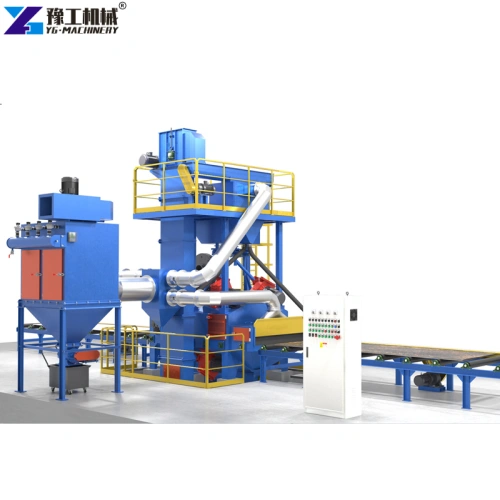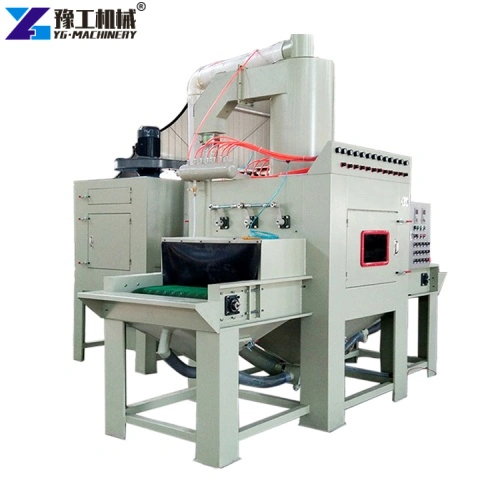
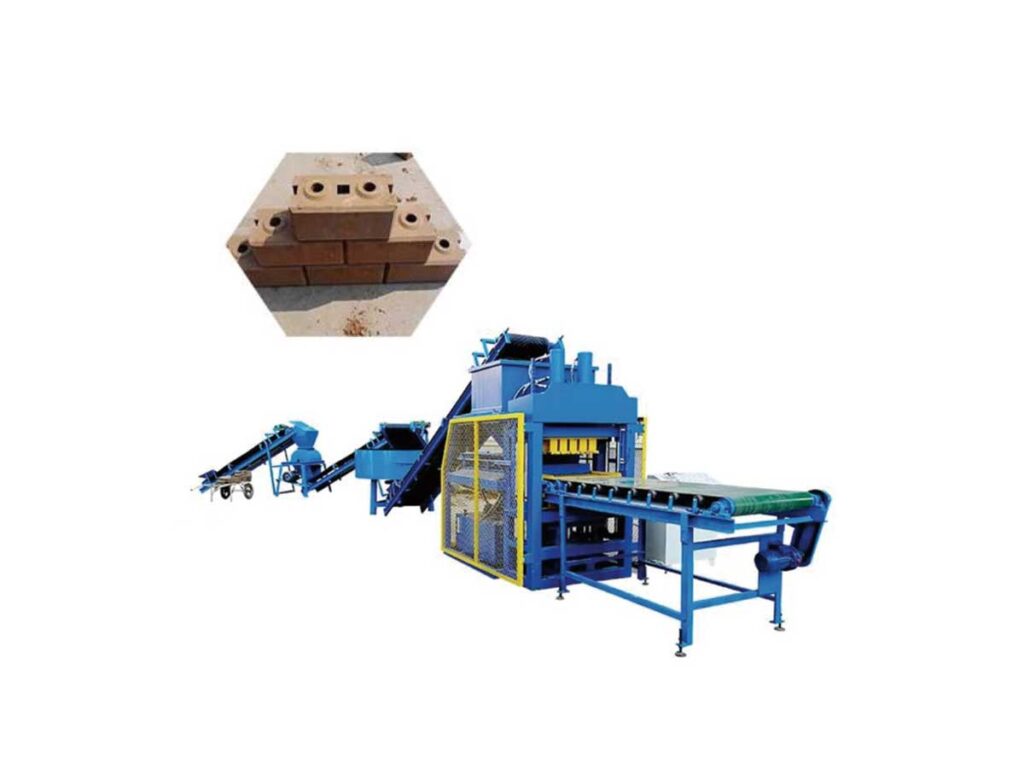
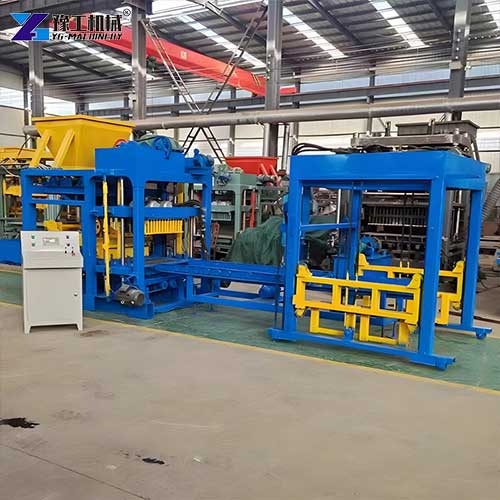
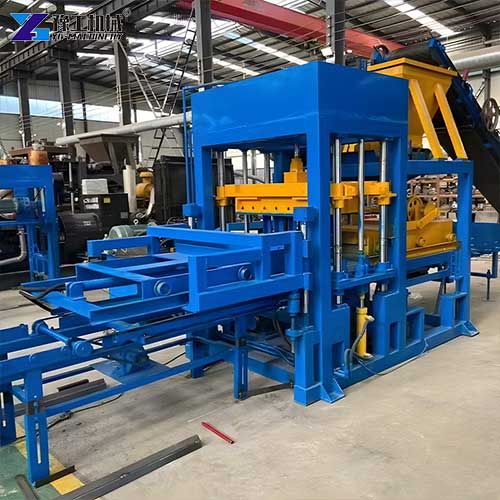
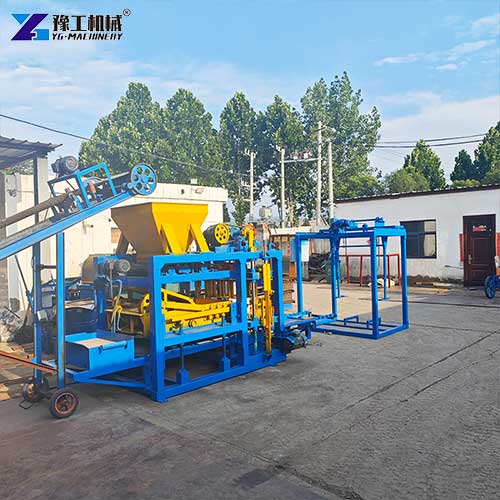
An auto brick-making machine is a fully automated production system that manufactures concrete bricks, hollow blocks, and paving stones without firing. It uses raw materials like cement, sand, stone dust, and industrial by-products such as fly ash or construction waste. The machine compresses these materials under high pressure to form finished bricks that require only short curing periods before use. Unlike traditional fired brick production, an industrial brick-making machine eliminates the need for kilns. This reduces energy costs and speeds up delivery times. The finished products simply need short air-drying periods before they are ready for shipment.
The YG series brick-making equipment includes both automatic and semi-automatic configurations, allowing operators to choose the level of automation that suits their production scale and workforce.
Auto Brick Making Machine Technical Specifications
| Block Name | Size (L*W*H)mm | Molding Cycle | QTY/Mould | QTY/hour | Qty/8hr |
| Hollow block | 400*200*200 | 15-20s | 6pcs | 1080-1440pcs | 8640-11520pcs |
| Hollow block | 400*150*200 | 15-20s | 7pcs | 1260-1680pcs | 10080-13440pcs |
| Hollow block | 400*100*200 | 15-20s | 11pcs | 1980-3640pcs | 15840-21120pcs |
| Porous block | 240*115*90 | 15-20s | 15pcs | 2700-3600pcs | 21600-28800pcs |
| Standard brick | 240*115*53 | 15-17s | 30pcs | 6300-7200pcs | 50400-57600pcs |
| Paver | 225*112.5*60 | 20-25s | 15pcs | 2160-2700pcs | 17280-21600pcs |
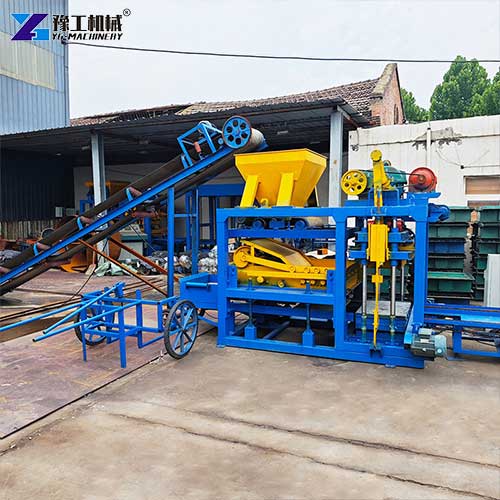
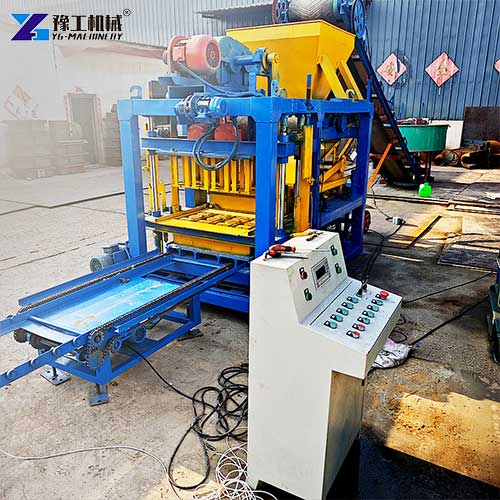
Key Advantages of an Auto Brick Making Machine
- High Output with Consistent Quality: The YG series brick-making equipment produces up to 57,600 bricks per 8-hour shift. The automated cycle ensures each brick maintains the same size, shape, and density. This consistency improves construction quality and reduces material waste.
- Raw Material Flexibility: This machine uses a wide range of materials. Standard recipes include cement, sand, and stone dust. The machine also processes fly ash, slag, and construction waste for environmentally friendly bricks. The typical material ratio is 8-15% cement, 40-55% stone and stone dust, 40-45% sand, and 10% water. Local material properties may require adjustment. The machine’s flexibility accommodates these variations.
- Energy Efficiency: The auto brick-making machine produces bricks without firing. This eliminates the fuel costs associated with kiln operations. Finished bricks cure naturally in a short period and then ship directly to job sites.
- Reduced Labor Costs: Automation minimizes manual intervention. One operator can manage the production cycle while the machine handles mixing, pressing, ejection, and stacking. This reduces labor requirements compared to manual or semi-automatic systems.
How Does an Auto Brick Making Machine Work?
Raw Material Mixing: The operator loads cement, sand, stone, and other materials into the mixer. Water is added to achieve the correct consistency. The material ratio varies slightly based on local material properties. For most applications, the proportions are 8-15% cement, 40-55% stone and stone dust, 40-45% sand, and water at approximately 10% of total weight. The machine handles these variations without difficulty.
Mold Filling: The mixing cycle feeds the prepared material into the mold cavities. Multiple molds produce several bricks per cycle, from 6 pieces for large hollow blocks to 30 pieces for standard bricks.
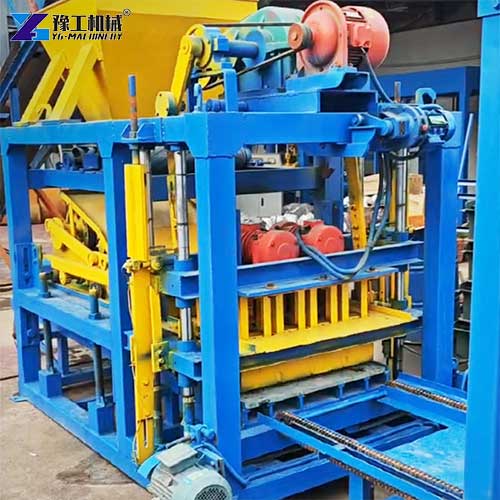
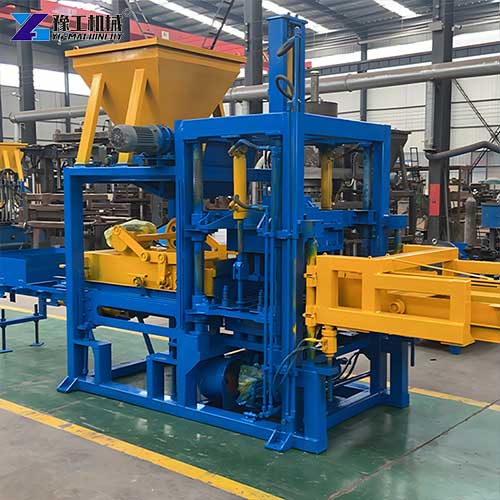
High-Pressure Compression: The main motor drives the compression system. Power is transmitted through the belt to a reducer, then through a coupling to the pinion gear. The pinion engages a large gear that drives the crank mechanism. The crank converts rotary motion to linear motion, moving the beam up and down. This action compresses material in the mold under high pressure. The result is dense, consistent bricks that meet construction standards.
Ejection and Discharge: When compression completes, the cam mechanism pushes the lower die to lift the finished bricks from the mold cavities. Simultaneously, the hopper moves forward, pushing the finished bricks toward the pickup platform. This synchronized action removes finished bricks while supplying new material for the next cycle. The process repeats continuously.
Auto Brick Making Machine models perform these steps automatically with minimal operator input. Semi-automatic versions require manual assistance for certain steps.
What Raw Materials Can You Use?
Raw material selection affects brick quality and production cost. An industrial brick-making machine accommodates multiple material types.
- Cement-Based Materials: A standard recipe includes Portland cement, river sand, and crushed stone. This produces strong, durable concrete bricks suitable for construction.
- Industrial By-Products: The machine processes fly ash from coal power plants, slag from steel production, and construction waste from demolition sites. These materials reduce raw material costs and support sustainability initiatives.
- Clay and Shale: For certain applications, clay and shale materials work effectively. These produce bricks with a traditional appearance.
- Material Ratio Considerations: The recommended starting ratio is 8-15% cement, 40-55% stone plus stone dust, 40-45% sand, and water at about 10%. The exact proportions require adjustment based on local material properties. The machine’s flexibility allows these adjustments during testing.

4 Maintenance Tips for Long-Term Operation
- Daily Cleaning: Remove residual material from the equipment after each shift. This prevents blockages and ensures smooth operation for the next production cycle. Pay special attention to the mold areas and the material feed system.
- Hydraulic System Checks: Inspect hydraulic oil level and quality regularly. Replace hydraulic oil according to the schedule specified in the manual. Clean oil prevents pump damage and maintains consistent pressure.
- Lubrication: Apply lubricant to moving parts, including guide rails and bearings, at regular intervals. Proper lubrication reduces wear and extends component life.
- Long-Term Storage: Drain the hydraulic system if the equipment remains idle for extended periods. This prevents corrosion and component damage. Apply rust-preventative oil to molds and store them separately.
Automatic Brick Making Machine Price
The YG series delivers exceptional production capacity across six brick types. You get genuine output data to plan your production schedules. Every YG machine offers cycle times as fast as 15 seconds for standard bricks. The output ranges up to 57,600 bricks per 8-hour shift, providing the capacity for major construction projects. The raw material flexibility allows cost-effective production using locally available materials.
The YG series is available in both automatic and semi-automatic configurations. This allows you to match the equipment to your production requirements and workforce. Contact us with your production requirements. We will provide a transparent, automatic brick-making machine price for your project. Get a free quote for your brick-making equipment today.