

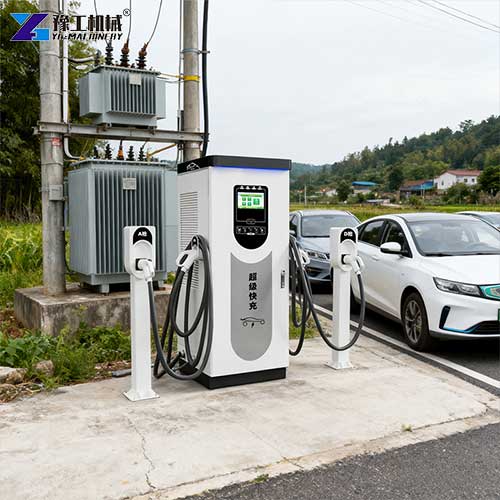

Electric vehicles are no longer a niche market. They are becoming the default choice for passenger cars, delivery vans, and fleet trucks. And where EVs go, charging infrastructure must follow. The numbers tell the story. The global EV charging station market hit USD 50.7 billion in 2025 and is projected to reach USD 143.76 billion by 2031, growing at nearly 21% annually. Commercial vehicles, in particular, are driving this growth at an astonishing 52% compound annual rate. For property owners, fleet operators, and business investors, this represents a clear opportunity. Installing commercial electric charging stations today positions your business for the wave of EV adoption that is already underway. The YG series delivers exactly what commercial operators need: reliable, fast DC charging in 60kW, 80kW, and 120kW configurations, built to withstand outdoor conditions and high daily usage.
Commercial Electric Charging Stations Technical Parameters:
| Parameter | YG-60KW | YG-80KW | YG-120KW |
| Rated Power | 60KW | 80KW | 120KW |
| Input Voltage | AC380V±20% | AC380V±20% | AC380V±20% |
| Output Voltage | 200-750VDC | 200-750VDC | 200-750VDC |
| Single Gun Current (500V range) | 0-90A | 0-120A | 0-160A |
| Single Gun Current (750V range) | 0-60A | 0-80A | 0-107A |
| Cable Length | 5m | 5m | 5m |
| Efficiency | ≥94.5% | ≥94.5% | ≥94.5% |
| Protection Level | IP54 | IP54 | IP54 |
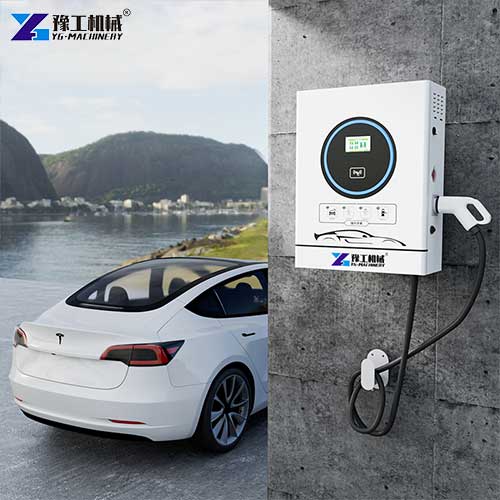

Where Commercial Electric Charging Stations Belong
- Retail and Shopping Centers: Shoppers spend 30-90 minutes in a store. A 60-120kW charger can add significant range during that visit. For retailers, offering commercial electric charging stations attracts EV-driving customers who might otherwise choose a competitor.
- Office and Workplace Parking: Employees park for 6-8 hours. Even a 60kW charger can fully charge most EVs during a workday. Workplace charging is becoming a standard employee benefit, and companies that install commercial car chargers gain a competitive advantage in recruiting and retention.
- Fleet Depots: Delivery vans, service vehicles, and truck fleets return to base daily. Installing EV charging pile infrastructure at the depot ensures vehicles start each day with a full charge. For fleets transitioning to electric, on-site fast charging is non-negotiable.
- Hotel and Hospitality: Guests expect convenience. A hotel with commercial electric charging stations can advertise EV charging as an amenity, attracting a growing segment of EV-owning travelers.
- Public Charging Hubs: Highway rest stops, gas stations, and urban parking garages are natural locations for public DC fast charging. As EV adoption accelerates, the demand for public charging infrastructure will only increase.
Built to Last: IP54 and Corrosion Protection
Commercial chargers live outdoors. They face rain, dust, temperature extremes, and constant use. The YG series is built for these conditions.
IP54 Protection Rating: IP54 means the EV charging pile is dust-protected and resistant to water splashes from any direction. Rain, snow, and hose-down cleaning do not affect operation. This rating is the industry standard for outdoor EV charging equipment.
Automotive-Grade Paint Process: The YG series uses the same paint process as automotive OEMs. The housing is dipped in a rust-removal bath, then baked in an oven for a one-pass paint application. This process ensures the finish remains intact for 8-10 years of outdoor exposure—no peeling, no rust, no fading.
Imported Sealing Technology: The waterproof foam seal that protects the internal components uses imported materials applied by robotic systems. This ensures consistent, precise sealing that prevents water ingress. Inferior seals degrade within 2-3 years, leading to equipment failure. The YG series seal is designed to last the life of the charger.
Galvanized Steel Construction: The housing uses galvanized steel with a zinc coating that resists corrosion. Every surface is treated in a rust-removal bath before painting, ensuring no moisture remains trapped beneath the finish.


How Fast Can Commercial Car Chargers Actually Charge?
Charging speed depends on three factors: the charger’s power output, the vehicle’s battery size, and the vehicle’s maximum acceptance rate.
- 60kW chargers deliver 0-90A at 500V range or 0-60A at 750V range. A 40kWh battery (typical for many passenger EVs) charges from empty to full in about 40 minutes. For a retail parking lot or office building, 60kW provides a solid balance of speed and cost.
- 80kW chargers step up to 0-120A at 500V or 0-80A at 750V. This reduces charging time to roughly 30 minutes for the same 40kWh battery. Commercial fleets with tighter turnaround times benefit from this extra power.
- 120kW chargers deliver 0-160A at 500V or 0-107A at 750V. A 40kWh battery charges in about 20 minutes. For high-turnover locations like highway service plazas or busy retail centers, 120kW maximizes the number of vehicles served per day.
- For larger vehicles, the math changes. A 300kWh truck battery takes about 2.5 hours on a 120kW charger—still far faster than the 10+ hours required by AC charging. For even faster charging, dual-gun operation allows two vehicles to charge simultaneously, with power distributed between them.
Electric Car Charging Station Price
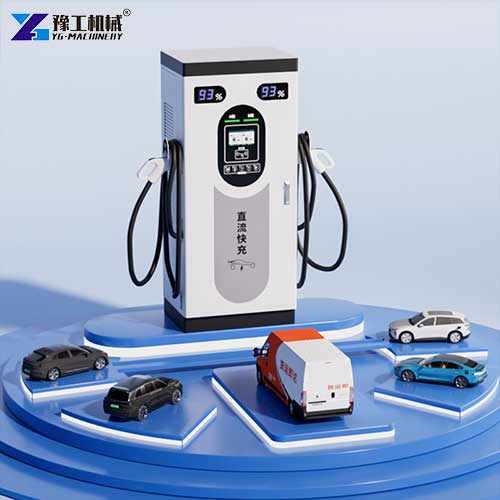
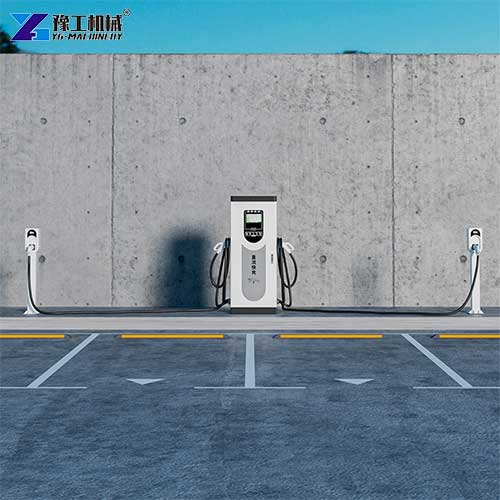
YG Machinery manufactures industrial-grade DC fast commercial electric charging stations across 60kW, 80kW and 120kW power tiers, featuring IP54 fully waterproof, rust-proof galvanized cabinets, 94.5% high energy efficiency, interchangeable charging gun heads and global voltage customization for parking lots, logistics fleets, shopping malls and highway service stations. Our engineering team provides tailored power model matching, regional voltage adjustment solutions and full installation training resources based on your daily charging traffic, vehicle types and local grid standards.
Contact us with your site requirements—number of parking spaces, expected daily usage, and available electrical capacity. We will recommend the right model for your operation. Request a quote for your electric car charging station price today.