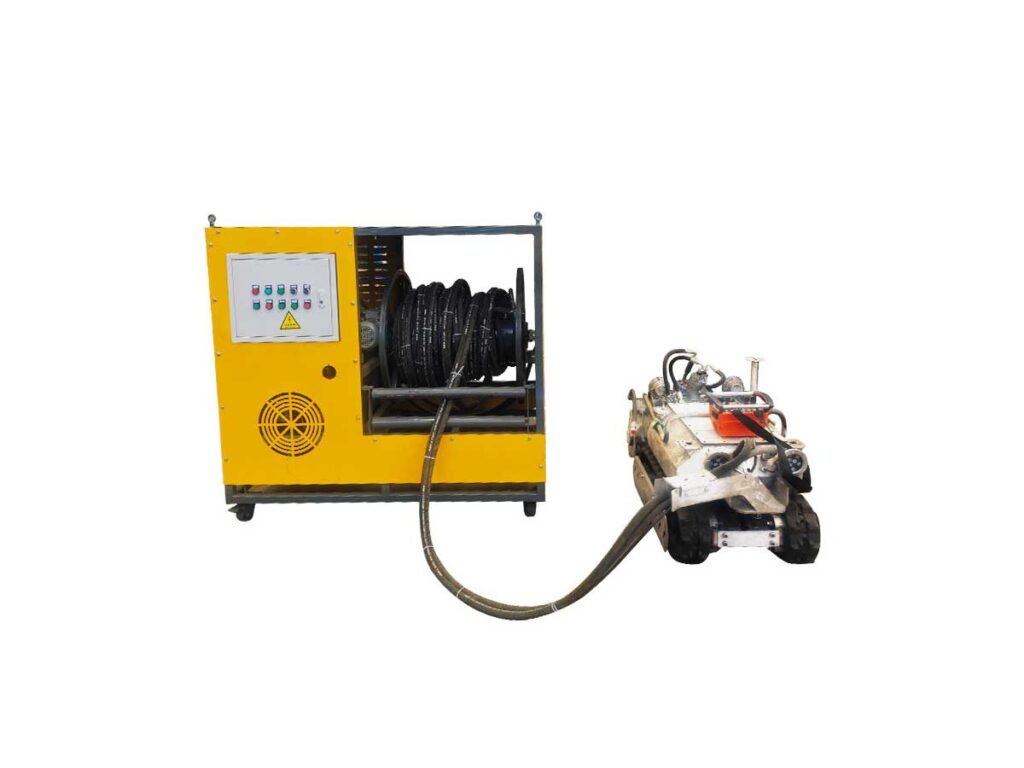
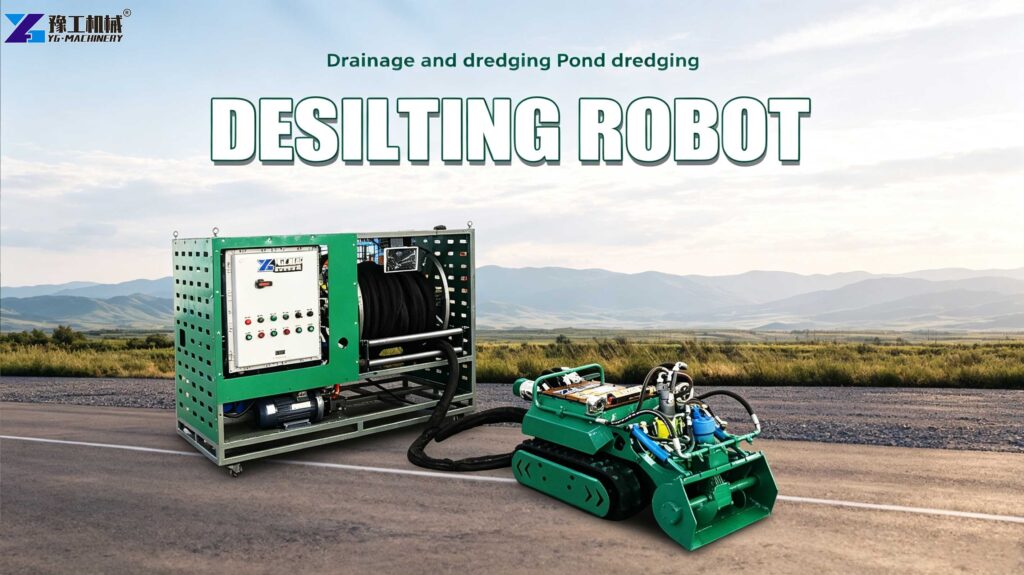
A sludge dredging robot is an intelligent tracked underwater machine built to clear sediment, debris and organic sludge from sewers, irrigation channels, lake reservoirs and industrial sedimentation tanks. Equipped with wireless remote control, built-in underwater LED lights and adjustable dredging width ranging from 500mm to 1200mm, this automated unit removes the need for human divers or confined-space pipeline entry during dredging tasks. Municipal engineering contractors frequently compare durable sludge cleaning robot models to cut worker compensation risks from toxic underground gas exposure. Water treatment plant maintenance teams rely on a robust water tank cleaning robot to sustain steady facility operation without periodic full draining. Pipeline service firms upgrade their fleets with a heavy-duty sewer cleaning robot to win larger long-term municipal infrastructure bids.
YG Sludge Dredging Robot Parameters:
| Model | YG-500 | YG-600 | YG-700 | YG-800 | YG-900 | YG-1200 |
| Robot dimensions | 1500*500*650mm | 1500*600*650mm | 1600*700*650mm | 1600*850*700mm | 1650*960*750mm | 1900*1200*750mm |
| Dredging width | 500mm | 600mm | 700mm | 800mm | 900mm | 1200mm |
| Track travel speed | 3-15m/s | 3-15m/s | 3-15m/s | 3-15m/s | 3-15m/s | 3-15m/s |
| Robot weight | 320kg | 350kg | 380kg | 400kg | 420kg | 500kg |
| Pump output diameter | 3inch | 3inch | 4inch | 4inch | 4inch | 4inch |
| Pump flow rate(cubic meters/ hour) | 100 m³ | 100m³ | 200m³ | 200m³ | 200m³ | 200m³ |
| Hydraulic station dimensions(mm) | 2200*1200*1700 | 2200*1200*1700 | 2200*1200*1700 | 2200*1200*1700 | 2200*1200*1700 | 2120*1240*1200 |
| Main motor power | 22kw | 22kw | 30kw | 30kw | 30kw | 45kw |
| Hydraulic system pressure | 0-16Mpa | |||||
| Particle size | 15mm | 15mm | 38mm | 38mm | 38mm | 60mm |
| Reeling system speed | 0-10r/min | |||||
| Hydraulic hoses | 50m (Standard configuration) | |||||
| Control system | Wireless remote control | |||||
| Lighting system | Underwater LED lights *2 | |||||
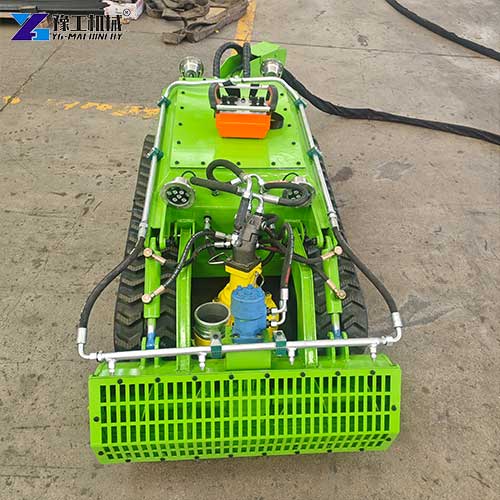
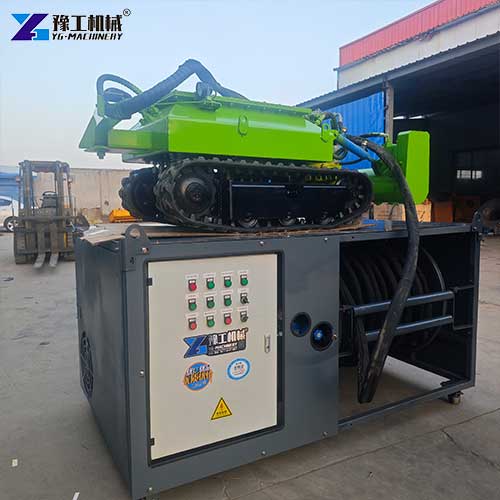
Underwater Operation Depth & Site Terrain Adaptability Breakdown
Every sludge dredging robot supports a consistent 30 to 90 meters underwater working depth, delivering stable suction performance across three core terrain categories without custom core motor upgrades:
First, confined underground sewer environments: The compact tracked chassis navigates uneven pipe floors, accumulated rubble and soft sludge layers, while the wireless remote control lets operators stand safely above ground away from hydrogen sulfide and other toxic sewer gases. The two built-in underwater LED lights deliver clear real-time visibility for dark pipeline runs without separate auxiliary lighting rigs.
Second, open water ecological restoration sites including lakes and reservoirs: The adjustable 3–15m/s track travel speed adapts to shallow shore zones and deep central water areas, and the variable 0–16Mpa hydraulic system pressure lets crews dial suction power to avoid disturbing healthy underwater sediment layers during eco-friendly dredging projects.
Third, enclosed industrial tank environments: For chemical plant sedimentation tanks and sewage treatment basins, the fully submerged design eliminates the need to drain thousands of cubic meters of process water before cleaning, cutting pre-job preparation labor by over 70% compared to traditional manual tank dredging methods.
Municipal environmental project managers prioritize this multi-terrain adaptability when evaluating sludge cleaning robot options for mixed sewer and lake tender packages. Industrial plant maintenance supervisors value the deep submergence rating built into every water tank cleaning robot to skip costly full tank drainage cycles. Pipeline repair contractors rely on the LED underwater lighting system of each sewer cleaning robot to complete precise sludge extraction in unlit underground pipeline networks.
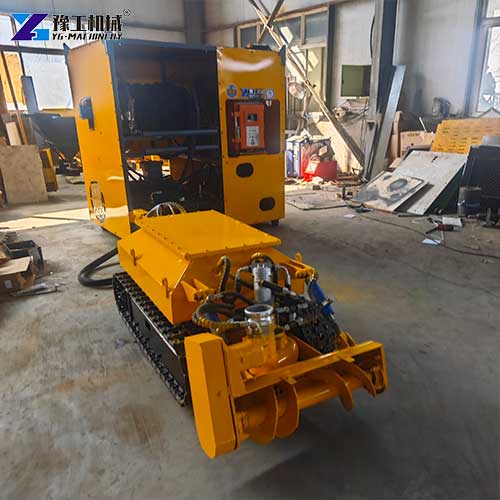
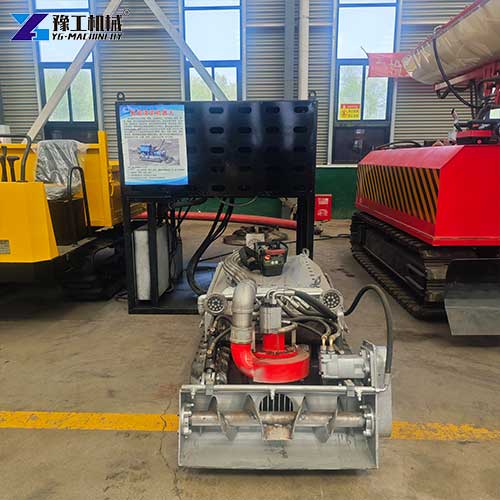
Step-by-Step Sludge Dredging Robot Workflow
This complete step-by-step workflow details exactly how a sludge dredging robot carries out full underwater dredging tasks across sewers, tanks and open water, covering every pre-operation, submerged running and post-operation stage:
1. Pre-deployment ground preparation
Connect the 50m standard hydraulic hoses between the hydraulic power station and underwater robot body, then link the wireless remote control receiver to the main hydraulic unit. Test the underwater LED lights and remote signal stability to guarantee no signal loss in deep water or enclosed pipe spaces. Adjust hydraulic pressure baseline according to the sediment particle size of the construction site (low pressure for soft silt, max 16Mpa for hard compacted mud mixed with rocks).
2. Controlled underwater launch & positioning
Lower the tracked robot slowly into water, channel or tank until the whole chassis submerges. Use the wireless remote to drive the sewer cleaning robot to the target dredging zone, relying on real-time visual feedback from the two underwater LED lights to avoid collisions with pipe walls, tank baffles or underwater obstacles like tree branches and plastic waste.
3. Continuous dredging & circulating suction operation
Activate the pump and reeling system to start sludge extraction. The tracked chassis moves forward at an adjustable 3–15m/s speed to cover the full dredging width evenly. The suction system continuously draws sludge, water and solid particles through the pump outlet, transporting mixed waste to ground storage tanks via the sewage discharge pipe. Operators can adjust reeling speed and hydraulic pressure in real time if large debris blocks the suction inlet.
4. Real-time path adjustment & multi-area coverage
After finishing one strip of sediment, remotely steer the robot sideways to the adjacent uncleaned zone and repeat the suction process. For large reservoirs or wide drainage channels, repeat the traversal cycle until the full designated dredging area is cleared. The 30–90m maximum working depth supports continuous operation without lifting the robot to the surface for resetting.
5. Post-job recovery & equipment cleaning
Once dredging work finishes, drive the robot back to the launch point and lift it out of the water. Flush the pump, suction inlet and tracked chassis with clean water to remove residual sludge and solid particles that could cause blockages during the next construction shift. Wind the hydraulic hoses neatly for storage to prevent kinks and internal oil leakage.

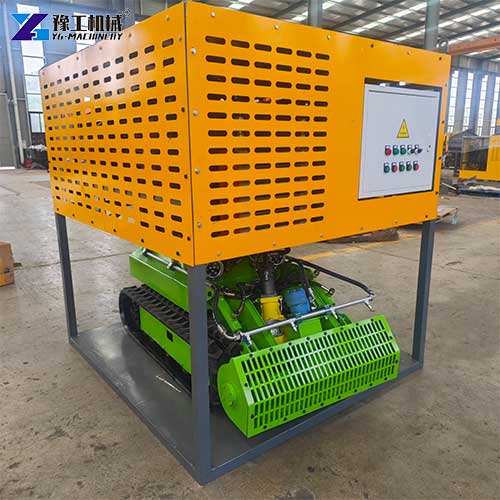
YG Sludge Dredging Robot – YG Machinery
The YG series delivers six models covering dredging widths from 500mm to 1200mm. Every model features steel tracks, a variable-speed hydraulic drive, and a wireless remote control system. The pump system handles particle sizes from 15mm to 60mm with flow rates from 100 to 200 cubic meters per hour. The LED lighting system and underwater-rated housing enable operation at depths up to 90 meters. Contact us with your pipeline diameter and sediment type. We will recommend the right sludge dredging robot for your operation. Get a free quote for your sludge cleaning robot today.