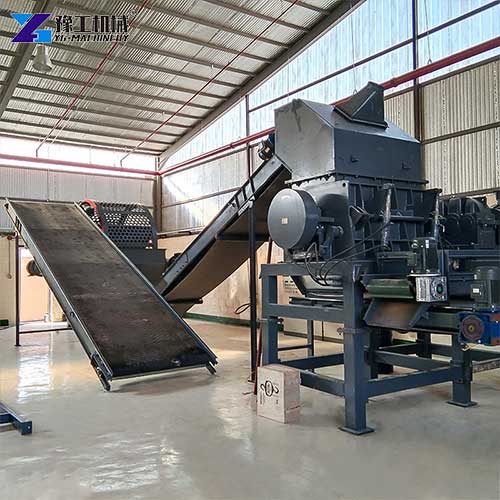
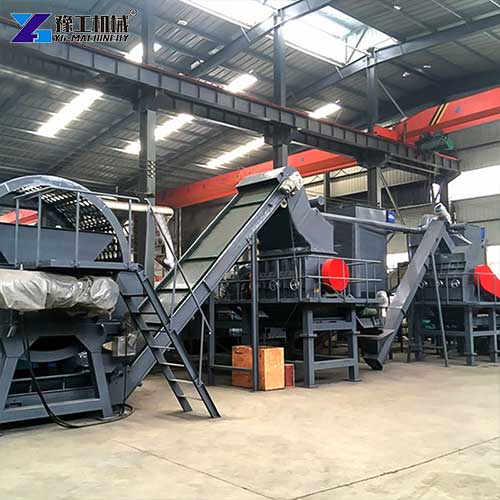
Scrap metal piles up fast. Car bodies, steel drums, aluminum extrusions, copper wire, and industrial scrap take up space, create hazards, and lose value if not processed properly. The longer metal sits in its original bulky form, the more it costs to store and transport. A scrap metal shredder machine solves this problem. It reduces bulky ferrous and non-ferrous metal waste into uniform fragments ready for magnetic separation, eddy current sorting, and downstream melting. What was once an eyesore becomes a valuable commodity.
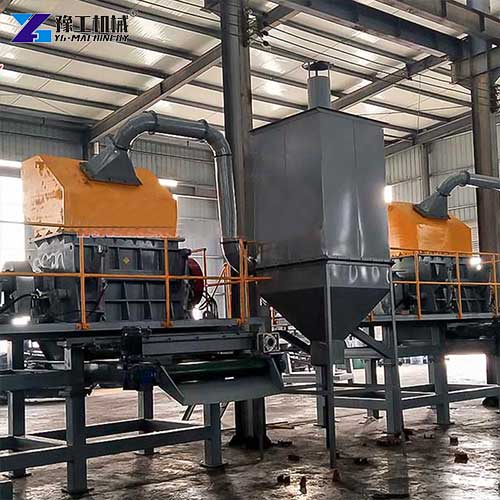
The YG series scrap metal shredder machine offers nine models with processing capacities from 2 to 60 tons per hour and power configurations from 4-15kW to 4-160kW. Every model features dual-shaft shearing technology, heavy-duty construction, and PLC-controlled operation. For recyclers looking for an industrial scrap metal shredder that handles tough materials day after day, the YG series delivers proven, reliable performance. This dual-shaft shredder is engineered for continuous operation, turning whole vehicles, engine blocks, and mixed scrap into saleable fragments.
Scrap Metal Shredder Machine Technical Specifications:
| Model | YG-600 | YG-800 | YG-1000 | YG-1200 | YG-1400 | YG-1600 | YG-1900 | YG-2200 | YG-2600 |
| Power | 4-15*2 kw | 4-22*2kw | 4-30*2kw | 4-37*2kw | 4-45*2kw | 4-75*2KW | 4-90*2kw | 4-132*2kw | 4-160*2kw |
| Spindle Model | 18-20r/min | 18-35r/min | 18-35r/min | 18-35r/min | 14-35r/min | 14-25r/min | 14-25r/min | 16-25r/min | 16-25r/min |
| Capacity | 2-3t/h | 3-5t/h | 5-8t/h | 6-10t/h | 8-12t/h | 12-18t/h | 16-22t/h | 20-26t/h | 25-60t/h |
| Broken Size | 3-10cm | 3-10cm | 3-10cm | 3-10cm | 3-10cm | 3-10cm | 3-10cm | 3-10cm | 3-10cm |
| Hopper Size | 820*900mm | 900*1000mm | 1200*1000mm | 1400*1000mm | 2000*2000mm | 2300*2000mm | 2300*2000mm | 2500*1800mm | 2425*1400mm |
| Dimensions | 2600*2000*1900mm | 2800*2000*1900mm | 3000*2000*1900mm | 3200*2000*1900mm | 4000*1700*2400mm | 5000*3000*2400mm | 6000*3500*2400mm | 7000*4000*4500mm | 8200*4000*4300mm |
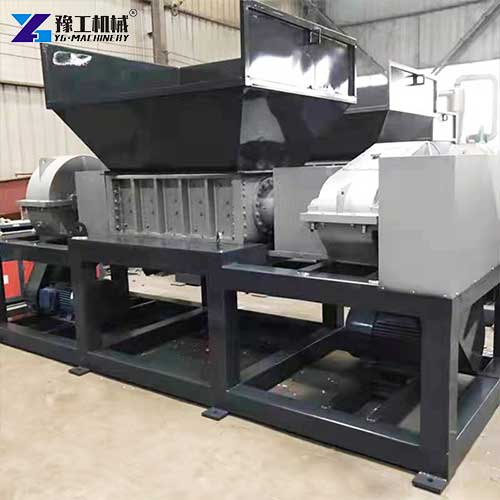
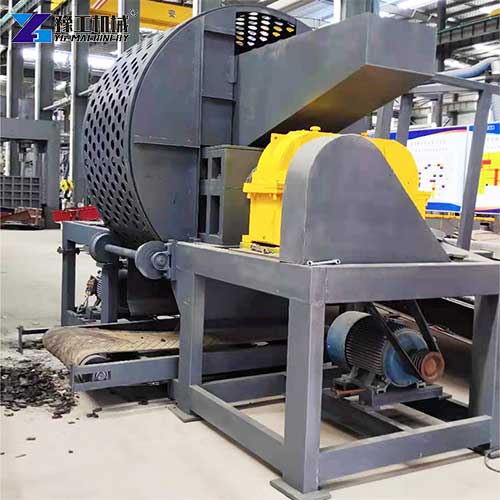
How Does a Dual-Shaft Shredder Work?
A scrap metal shredder machine operates on a simple but powerful principle: two parallel shafts rotate in opposite directions, equipped with interlocking cutting discs that pull material in and shear it apart.
When material enters the shredder, the two knife shafts rotate toward each other. The blades cut, squeeze, and tear the material through a combination of shearing force and tension. This low-speed, high-torque approach delivers powerful cutting action with lower dust and noise than high-speed systems.
The YG series scrap metal shredder for sale uses dual motors and planetary gearboxes to drive the two shafts independently. This independent drive provides the torque needed to handle tough materials like engine blocks, thick steel plates, and reinforced metal structures.
The PLC control system manages the entire process. When the machine encounters material that is too large or too dense, the system automatically reverses the shafts to release the overload and prevent jamming. Once the obstruction clears, the machine resumes normal operation. This auto-reverse protection is critical for maintaining uptime in high-volume recycling operations.
5 Applications of Scrap Metal Shredder Machine
The dual-shaft shredder serves a wide range of industries and waste processing scenarios.
- Metal recycling facilities: process scrap steel, aluminum profiles, metal barrels and discarded metal parts into uniform pieces for melting and reprocessing
- E-waste recycling: shreds discarded electronic appliances, casings and circuit board frames to support subsequent material separation
- Tire recycling: reduces whole waste tires into smaller chunks for further processing into rubber powder or recycled aggregates
- Industrial waste management: handles plastic waste, wood scraps, packaging barrels and pallets for on-site volume reduction
- Construction and demolition: processes mixed construction debris, plastic formwork and metal scrap to reduce transport volume
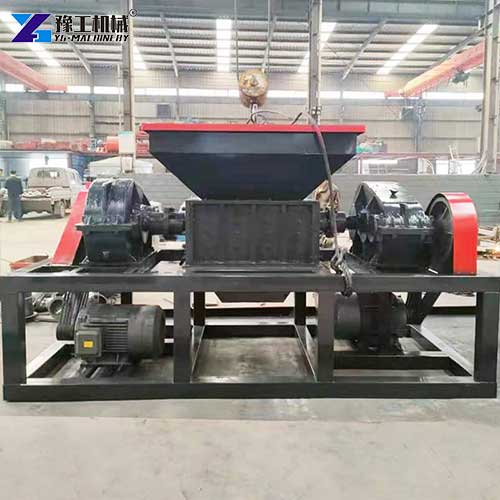
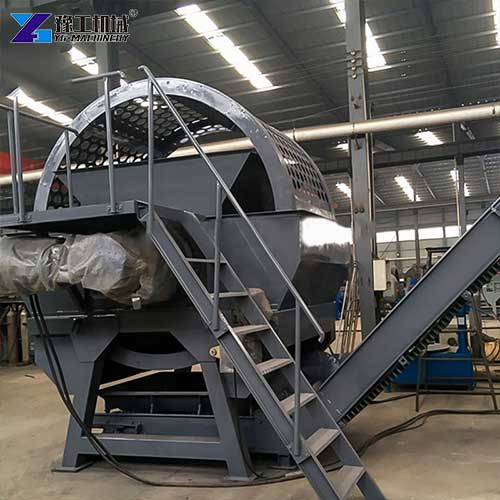
Common Shredding Pain Points And Targeted Solutions
Many recycling operations encounter predictable performance issues that stem from improper equipment selection rather than operator error. A properly configured scrap metal shredder machine addresses these common on-site pain points through structural and control design.
- Shaft wrapping and jamming: Flexible materials such as wire, plastic film and rubber strips often wrap around shafts and cause jams on single-shaft or poorly designed machines. The dual-shaft interlocking design shears flexible materials continuously instead of letting them wrap around shafts. Combined with automatic reverse protection, the system clears minor jams automatically without manual intervention.
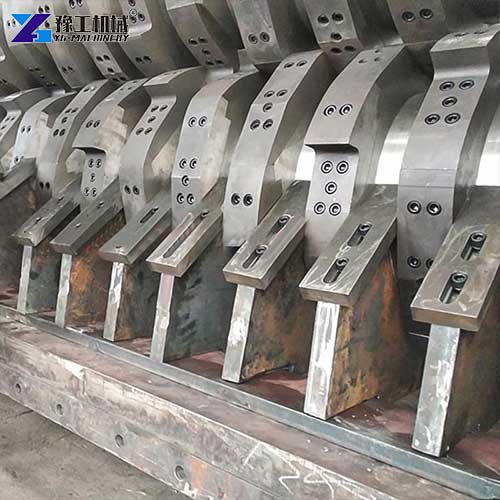
- Uneven output particle size: Inconsistent shred size creates problems for downstream sorting and transportation. The interlocking four-corner blade arrangement produces uniform shear cuts across the full chamber width, so output particles stay within the 3- 10 cm target range. This consistency improves downstream processing efficiency.
- Fast blade wear on hard metal scrap: Processing hard scrap metal wears down low-grade blades quickly, raising replacement costs and downtime. Selecting Cr12MoV or SKD-11 blade material extends service life dramatically for metal-heavy workloads. The modular blade design also allows individual blade replacement instead of full shaft replacement.
- Overload damage during peak feeding: Uneven feeding or oversized items can trigger overload and damage motors or gearboxes. The PLC overload protection system detects abnormal load and reverses automatically to relieve pressure, preventing component damage and reducing unplanned downtime.
5 FAQs About Scrap Metal Shredder Machine
A: We offer 9CrSi, Cr12MoV and SKD-11 blade options. 9CrSi fits soft waste streams, while Cr12MoV and SKD-11 are recommended for heavy metal and hard material shredding.
A: Blade service life depends mainly on the hardness of processed materials and daily operating frequency. Harder abrasive materials and higher operating hours will accelerate wear.
A: Output size relates to blade thickness and tooth count. Blade thickness is calculated based on target output width, and tooth count is determined by blade circumference divided by target output length.
A: Yes. The dual-shaft design handles mixed materials including metal, plastic, rubber, and wood. You can adjust blade material and operating parameters based on your dominant waste type.
A: Capacity ranges from 2 to 60 tons per hour depending on the model and material type. The YG-600 processes 2-3t/h. The YG-2600 processes 25-60t/h. Actual throughput depends on material density and feed consistency.
Scrap Metal Shredder For Sale
From small scrap yards to large industrial recycling plants, investing in a reliable scrap metal shredder machine brings measurable efficiency gains, reduces manual labor and improves overall recycling profitability. Whether you need a compact unit for on-site waste reduction or a heavy-duty industrial scrap metal shredder for high-volume metal recycling, our model lineup covers most common processing capacities.
If you want to confirm detailed specifications, blade material options or model matching advice, contact our team today. Send your daily processing volume, main waste types and target output size, and we will provide professional configuration recommendations and full product specifications promptly. You can also reach out to learn more about our scrap metal shredder for sale options for your specific project requirements.