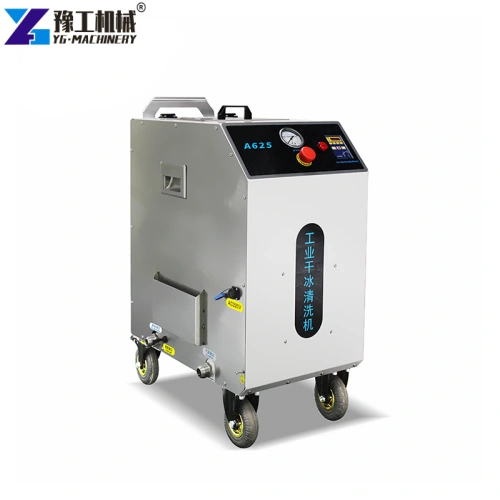
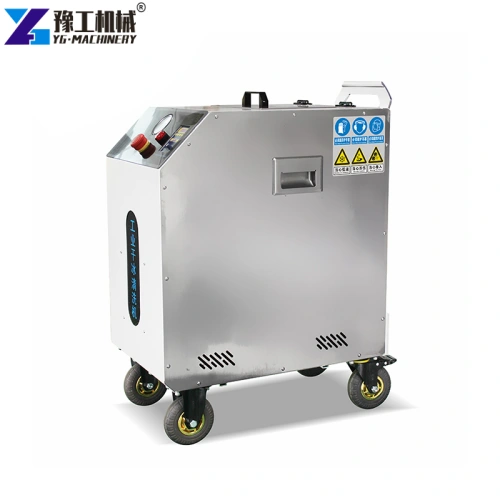
In industrial equipment maintenance, mold cleaning, surface descaling, oil stain removal, and paint restoration, the choice of cleaning process directly affects work efficiency, equipment lifespan, environmental compliance, and overall cost. Currently, the mainstream cleaning methods on the market are divided into three categories: dry ice cleaning, traditional sandblasting cleaning, and high-pressure water cleaning. Many companies find it difficult to distinguish the differences between these three when selecting a cleaning method. This article will compare the differences between dry ice cleaning machine blaster and traditional sandblasting and water cleaning from multiple dimensions, including cleaning principles, applicable scenarios, effects, and equipment damage, to help you accurately match your production needs.
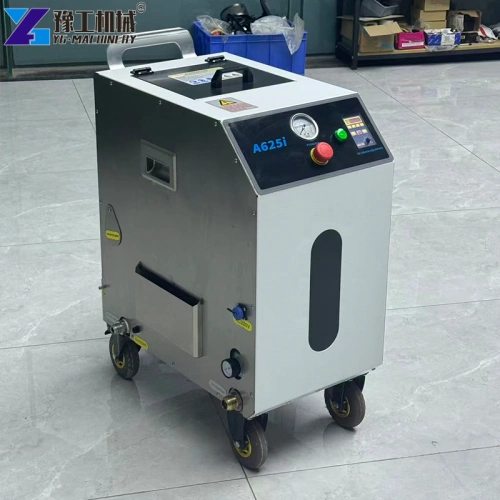
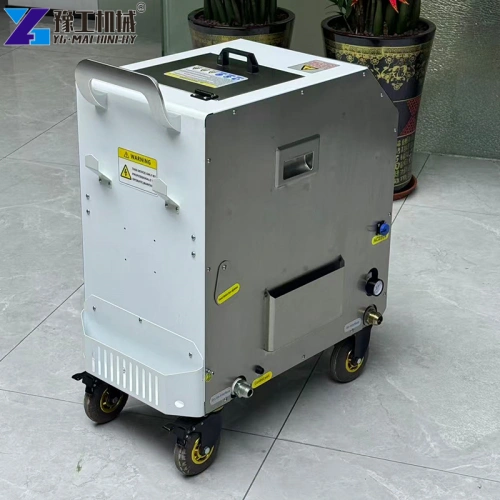
Dry Ice Cleaning Machine for Sale Parameter
| Model | ICE-JET 3.0 | ICE-JET 6.0 | ICE-JET 15 | ICE-JET 40 |
| Dry Ice Capacity | 3KG | 6KG | 15KG | 40KG |
| Dry ice Consumption | 20-50KG/H | 20-50KG/H | 30-100KG/H | 30-100KG/H |
| Supply Pressure | 3-10bar | 13-10bar | 3-10bar | 3-10bar |
| Air Consumption | 1-2m³/min | 1-3m³/min | 1-4m³/min | 1-5m³/min |
| Weight | 40KG | 50KG | 65KG | 80KG |
| Dimensions | 460x340x750mm | 460x350x850mm | 550x445x985mm | 650x550x1000mm |
| Total Power | <500W | <800W | <800W | <800W |
Basic Principles of the Three Cleaning Methods
1. Dry Ice Cleaning
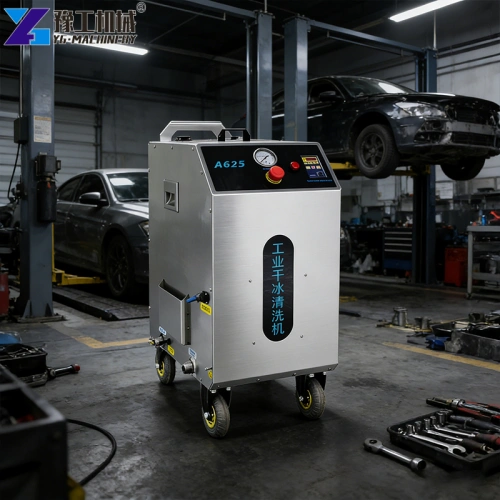
Dry ice cleaning, also known as cryogenic jet cleaning, uses solid carbon dioxide (dry ice particles) as the cleaning medium. High-pressure airflow propels low-temperature dry ice particles at high speed onto the workpiece surface. Utilizing the triple effects of low-temperature embrittlement, physical impact, and thermal expansion and contraction, oil stains, carbon deposits, adhesive residue, coatings, and scale quickly detach from the substrate surface. The dry ice particles sublimate instantly upon impact, leaving no solid residue and generating no wastewater; it is a dry cleaning process.
2. Traditional Sandblasting Cleaning
This method uses hard abrasives such as quartz sand, corundum, and glass beads as the cleaning medium. High-pressure air propels the abrasives at high speed to impact the workpiece surface, relying on strong physical grinding and impact to remove rust, oxide layers, old paint, and thick dirt. It is a hard friction cleaning method, achieving its cleaning effect through abrasive wear.
3. High-Pressure Water Cleaning
This method is divided into ordinary high-pressure water washing and high-pressure jet cleaning. Water is used as the medium, pressurized by a high-pressure pump to create a high-speed water jet. The impact force of the water jet washes away surface dust, silt, water-soluble oil, and loose dirt. In some cases, cleaning agents are used in conjunction with water as the primary medium throughout the process.
Comparison of Key Differences Among the Three Methods
1. Degree of Damage to the Workpiece Substrate
This is the most crucial difference among the three methods and the primary consideration for selecting industrial precision equipment, molds, and painting equipment.
- Dry Ice Cleaning Machine Blaster: Almost Zero Damage. Dry ice is soft and non-abrasive, only removing surface dirt without scratching or abrading the substrate or changing the surface roughness of the workpiece. It can be used for delicate equipment such as precision molds, circuit equipment, painted components, aluminum alloys, thin-walled parts, and rubber parts. The original shape and precision of the workpiece are completely preserved after cleaning.
- Traditional Sandblasting: Significant Damage. Hard abrasives have strong abrasive properties, and while cleaning, they also abrade the surface of the substrate, causing scratches, pits, and increased surface roughness. Long-term use will wear down the wall thickness of the equipment and damage precision mating surfaces. It is strictly prohibited for use on precision molds, painted surfaces, thin-walled parts, and soft materials. It is only suitable for heavy steel structures and workpieces with thick rust layers.
- High-Pressure Water Cleaning: Less Damage, but with Limitations. 1. Standard water pressure causes no significant wear to the substrate; ultra-high water pressure can remove stubborn scale, but it easily erodes thin paint, soft coatings, and seals. Water flow impact can also loosen old components, making them unsuitable for precision electrical equipment.
2. Cleaning Effect and Applicable Types of Dirt
- Dry Ice Cleaning Machine Blaster: An all-around cleaning solution with highly targeted cleaning capabilities. It excels at cleaning crevices, grooves, pipe interiors, and complex cavities—areas traditionally difficult to reach—leaving no residue. Suitable for industrial molds, engines, injection molding equipment, food machinery, power equipment, and assembly line equipment.
- Traditional Sandblasting: Primarily for rust removal, thick paint removal, and oxide scale removal. It excels only at handling thick rust layers, old coatings, and hard oxide scale. Often used for rust removal on steel structures, ship refurbishment, and surface treatment of large, heavy components.
- High-Pressure Water Cleaning: Focuses on water-soluble dirt and loose debris. Suitable for silt, sand, dust, and general water-soluble oil stains. Only suitable for simple applications such as ground surfaces, pipe exteriors, large tank surfaces, and building exteriors.
3. Residue Issues and On-site Environment
- Dry Ice Cleaning Machine Blaster: No residue, no secondary pollutants. Dry ice sublimates directly into a gas upon contact with the workpiece, resulting in a completely dry operation. There is no waste, residue, or standing water on-site. No secondary wiping or cleaning is required after cleaning, leaving the work site clean.
- Traditional Sandblasting: Large amount of solid residue. Abrasive mixed with rust and paint residue is scattered on-site, generating a large amount of dust and solid waste. The cleanup workload is enormous, and the working environment is harsh.
- High-Pressure Water Cleaning: Generates a large amount of wastewater. Dirt and oil stains all mix into the water, forming wastewater. If there is a large amount of oil or chemical agents, the wastewater requires special treatment; otherwise, it cannot meet discharge standards. Long-term water accumulation on the ground can easily cause the site to become slippery and the equipment to become damp.
4. Overall Operating Costs
- Dry Ice Cleaning: Initial equipment investment is relatively high, and the consumable is dry ice. However, it requires no secondary cleaning, no wastewater treatment, causes no workpiece damage, and does not require frequent parts replacement, resulting in lower long-term overall costs. It is especially suitable for high-frequency cleaning and precision equipment maintenance.
- Traditional Sandblasting: Equipment is inexpensive, and abrasive consumables are low. However, hidden costs such as manual waste removal, dust protection, workpiece wear and replacement, and occupational disease prevention are extremely high, making it unprofitable in the long run.
- High-Pressure Water Cleaning: The equipment has the lowest entry barrier, and water costs are low. However, if chemical agents are used and a wastewater treatment system is built, the subsequent investment will continue to increase; at the same time, equipment failures caused by water stains and moisture will also generate additional maintenance costs.
Applicable Scenarios for the Three Cleaning Methods
1. Dry Ice Cleaning Machine Preferred
Precision injection molds, rubber molds, food processing equipment, generator sets, engines, electrical equipment, painting lines, complex cavity equipment, painted surface equipment, workpieces susceptible to water and abrasion, and enterprises requiring environmental protection, non-stop operation, and a clean work site.
2. Traditional Sandblasting Cleaning Preferred
Large, heavy steel structures, rust removal from scrap equipment, large-area paint removal, mining machinery, heavy machine frames, and other heavy workpieces that do not require surface precision and are not susceptible to abrasion.
3. High-Pressure Water Cleaning Preferred
Floors, walls, pipe exteriors, large tanks, surface dust, sludge, and light water-soluble oil stains on ordinary mechanical equipment in simple outdoor and open-air conditions.
Conclusion
As industrial production demands increasing equipment precision, environmental standards, and operational efficiency, the shortcomings of traditional sandblasting and high-pressure water washing are becoming increasingly apparent: sandblasting damages workpieces and causes severe dust pollution; water washing is prone to water accumulation, cannot handle stubborn dirt, and poses a risk of electrical leakage. Dry ice cleaning machine blaster, with their core advantages of being dust-free, non-damaging to substrates, thorough cleaning, environmentally friendly and safe, and capable of online operation, is gradually becoming the mainstream cleaning solution in industries such as precision manufacturing, food processing, power generation, mold making, and automotive manufacturing.
There is no absolutely optimal cleaning equipment, only the choice most suitable for the specific working conditions. If you prioritize equipment protection, environmental compliance, and long-term cost reduction and efficiency improvement, dry ice cleaning is undoubtedly a more cost-effective solution. For simple rust removal and surface cleaning, sandblasting or high-pressure water cleaning can be chosen based on budget. Businesses can combine their cleaning targets, dirt types, site conditions, and environmental requirements to rationally combine cleaning processes to achieve efficient, safe, and low-cost operation and maintenance. If you have any questions about selection, please feel free to contact us.