The market is flooded with a wide variety of branch mulcher models, often plagued by issues such as inaccurate specifications and substandard components. Many beginners, due to blindly comparing prices and choosing the wrong model, encounter problems like machine jams, insufficient power, and frequent repairs, delaying projects and increasing overall costs. This article helps novice buyers select the right machine from five dimensions: needs assessment, model classification, core parameters, power selection, and component quality, ensuring they buy suitable equipment within a reasonable budget.
Branch Mulcher Parameter
| Model | YG-6130 | YG-6145 |
| Motor Type | Diesel motor, electric start | Diesel motor, electric start |
| Capacity | 2 tons/hour | 5 tons/hour |
| Dimensions | L2300*W1300*H1800 | L3200*W1700*H2400mm |
| Knife Roller Diameter | 300 mm | 500 mm |
| Equipped with power | 23.6KW diesel engine | 75KW (102 hp) diesel engine |
| Host speed | 2600r/min | 2500r/min |
| Number of blades | 4 moving knives, 1 stationary knife | 4 moving knives, 1 stationary knife |
| Maximum broken branch diameter | 130mm | 250mm |
| Feed throat size mm | 300*180 | 450*380 |
| outlet direction | The 360-degree quick adjustment device | 360-degree quick adjustment device, outlet angle adjustment, outlet nozzle, height adjustment |
I. Clarify Your Core Needs
- Determine the materials to be processed. Differentiate whether the daily shredding material is soft garden branches and fruit tree twigs, or coarse, hard logs, branches, and mixed wood with bark. If it involves demolition templates or waste wooden pallets, consider whether the material contains hard impurities such as nails or gravel. Different materials require completely different machine structures and blade materials.
- Calculate daily/hourly production capacity. For occasional garden trimming and small-scale wood chipping, choose a light-duty machine with an hourly output of 0.5–1 ton; for orchards and small-scale landscaping teams operating regularly, a medium-duty machine with an hourly output of 2–5 tons is preferred; for forest farms and biomass processing plants processing in bulk, a heavy-duty industrial model with an hourly output of 6 tons or more is necessary.
- Plan the work site and relocation needs. For fixed factory areas and indoor operations, prioritize stationary equipment; for mountainous areas, slopes, muddy woodlands, and scattered outdoor landscaping sites, wheeled or tracked models with better mobility are required.
- Determine the intended use of the finished product. Wood chips used for edible fungi cultivation and livestock bedding require fine wood powder, necessitating a hammer mill structure and small-aperture screens; wood chips used for garden mulch and biomass fuel can be selected with large-aperture screens, focusing on output efficiency.
II. Precisely Match Mainstream Models to Scenarios
- Stationary Wood Chippers: Lacking wheels, these have a stable structure and a lower price, suitable for fixed locations such as factories and workshops. Relocation is inconvenient, relying entirely on manual labor or vehicle transport.
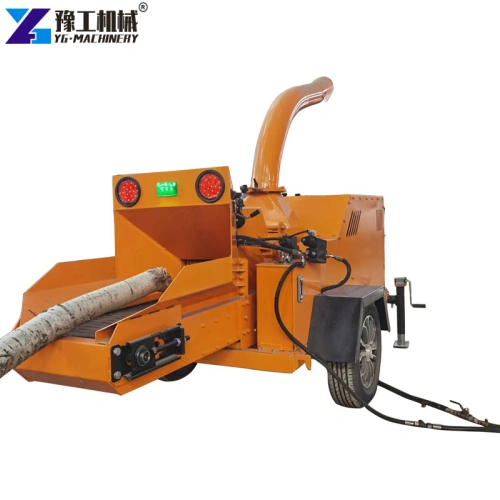
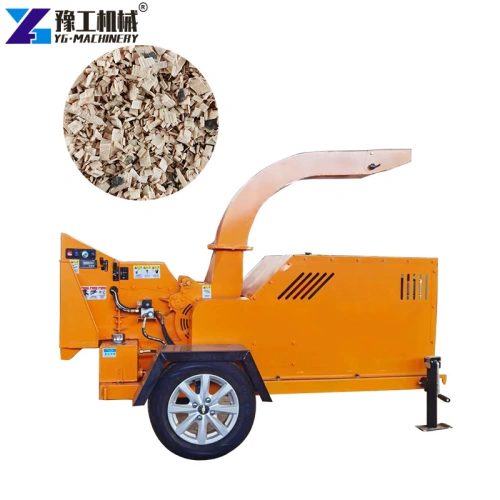
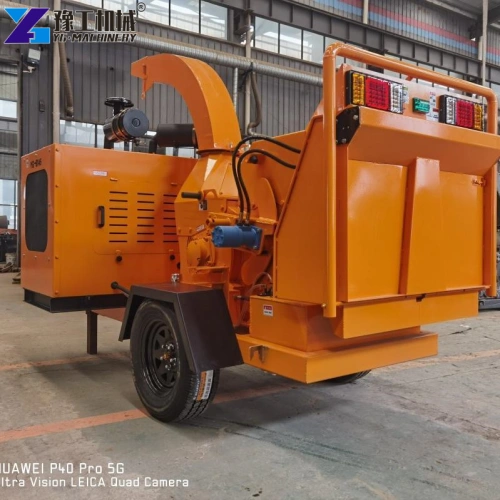
- Wheeled Wood Chipper: Equipped with swivel casters or tow wheels, it offers flexible movement on flat and paved surfaces. Moderately priced, it’s a common choice for orchards and rural landscaping projects. However, it’s prone to slipping and getting stuck on muddy or steep slopes.
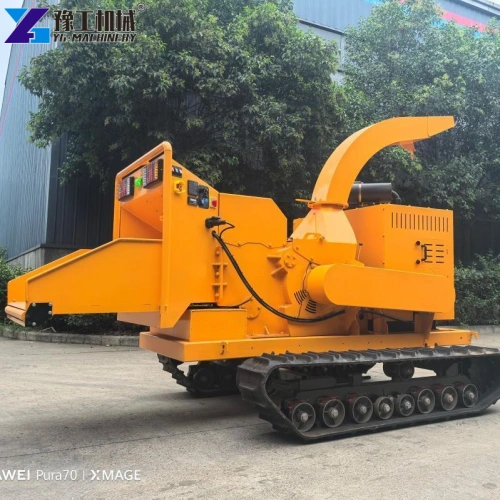
- Tracked Wood Chipper: Featuring large anti-slip rubber tracks and a climbing ability of up to 35°, it easily handles mountainous, sandy, and muddy terrain. It moves autonomously without vehicle towing, making it the preferred choice for complex outdoor terrain. Priced higher than wheeled models, it primarily targets large-scale municipal projects and mountain forest farms.
III. Core Parameters
- Maximum Feed Diameter: This is the most intuitive indicator. It’s recommended to follow the principle of “feed diameter 20%–50% larger than the maximum wood size.” For example, when processing 8cm branches, prioritize models with a maximum feed diameter of 10–12cm. Long-term full-load use of the maximum size will significantly increase the probability of jamming and blade wear.
- Hourly Capacity: Distinguish between “theoretical capacity” and “actual capacity.”
- Power Configuration: For electric motor models, check the motor power and material; for diesel engine models, verify the horsepower and engine brand.
- Screen Specifications: The screen determines the output particle size. Standard models come with 2-3 sets of screens with different apertures to meet various material requirements. Low-end models only come with a single screen, making it impossible to switch between different screen sizes later, severely limiting usability.
- Body and Cutter Head Thickness: Light-duty equipment should have a body steel plate thickness of at least 6mm, while medium and heavy-duty models must have a thickness of at least 10mm. The cutter head and main shaft must be integrally forged. Equipment with thin steel plates or hollow main shafts is prone to deformation and vibration under heavy loads, posing safety hazards.
- Safety Features: Standard equipment includes an emergency stop switch, splash guard, automatic overload power-off, and anti-backflow feed baffle. Mid- to high-end models feature an automatic reverse function for material blockage, protecting operators and reducing downtime for cleaning.
IV. Choosing the Power Type Based on Power Supply and Site Conditions
Branch mulcher comes in three main power types: electric, gasoline, and diesel. There’s no absolute superiority or inferiority; it depends on the usage environment:
- Electric (220V/380V): 220V household motors are suitable for backyards and small workshops. They are quiet, produce no exhaust fumes, and have low maintenance costs, but their power is limited, only capable of processing thin branches up to 8cm. 380V industrial motors offer strong power and stable energy consumption, suitable for fixed factory areas and processing plants with three-phase power. The advantage is the lowest operating cost, but the disadvantage is reliance on the power grid, making it unsuitable for outdoor operations without electricity.
- Gasoline: Mostly small, hand-held models, lightweight and quick to start, suitable for small orchards and scattered backyard operations. However, their power is relatively weak; they tend to overheat during prolonged continuous operation, fuel costs are higher than those of electric models, and they require regular maintenance of the fuel system and spark plugs.
- Diesel Models: Available with single-cylinder and multi-cylinder diesel engines, these offer high torque, long range, and are suitable for various terrains. Wheeled and tracked mobile models are primarily diesel-powered, making them the preferred choice for outdoor engineering and forestry projects. Disadvantages include higher operating noise, exhaust emissions, and the need for preheating protection in low-temperature environments.
In short: Electric for fixed locations with electricity; Gasoline for small-scale, sporadic operations without electricity; Diesel for complex terrain, long-term continuous operation, and no electricity.
V. Emphasize the Quality of Core Components
A branch mulcher is heavy-duty equipment. The three most vulnerable core components—blades, motor, and bearings—directly determine the equipment’s lifespan and maintenance costs:
- Blades (Hammer/Flying Knife): High-quality blades are made of high-chromium alloy or high-manganese steel, heat-treated for high hardness, wear resistance, and impact resistance, making them less prone to chipping when processing hardwoods and mixed woods. Also, check the blade fixing method; designs with anti-loosening bolts prevent blade loosening during operation, reducing safety risks.
- Motor/Engine: For electric motor models, choose national standard pure copper motors. Pure copper motors conduct heat quickly, are less prone to burnout, and have low energy consumption. Low-priced equipment often uses non-standard aluminum wire motors with inflated power ratings, which are prone to overheating and tripping under full load. For diesel engines, prioritize well-known brands on the market, as spare parts are easier to procure.
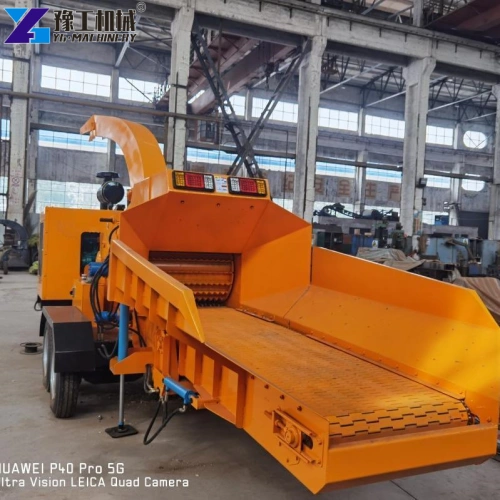
- Bearings and Hydraulic System: Medium and large-sized, tracked models rely on hydraulic feeding systems. High-quality equipment uses thickened sealed bearings and high/low temperature resistant hydraulic oil pipes, making them less prone to oil leaks and jamming in outdoor high and low temperature environments.
Summary
When purchasing a branch mulcher in 2026, the core logic is to consider the application scenario, match parameters, prioritize quality, and emphasize after-sales service. Don’t be misled by flashy advertising, inflated parameters, or extremely low prices. First, clarify the three core requirements: materials, capacity, and site conditions, and then sequentially select the model, power, core components, and after-sales service system. A qualified wood chipper is a good helper for the resource utilization of agricultural and forestry waste, while an inferior machine will only become a burden.
Following the selection logic outlined in this article and making a rational choice based on your own operating conditions will not only control your procurement budget but also ensure the long-term stable operation of your equipment, truly realizing the conversion of waste materials into cash and reducing costs while increasing efficiency. Here, we recommend choosing the YG manufacturer – reliable quality, excellent after-sales service, giving you peace of mind!