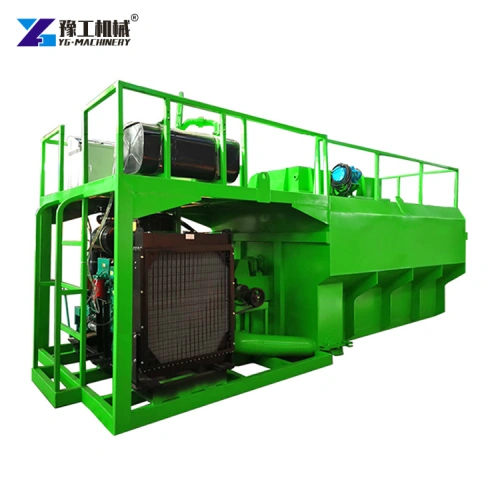
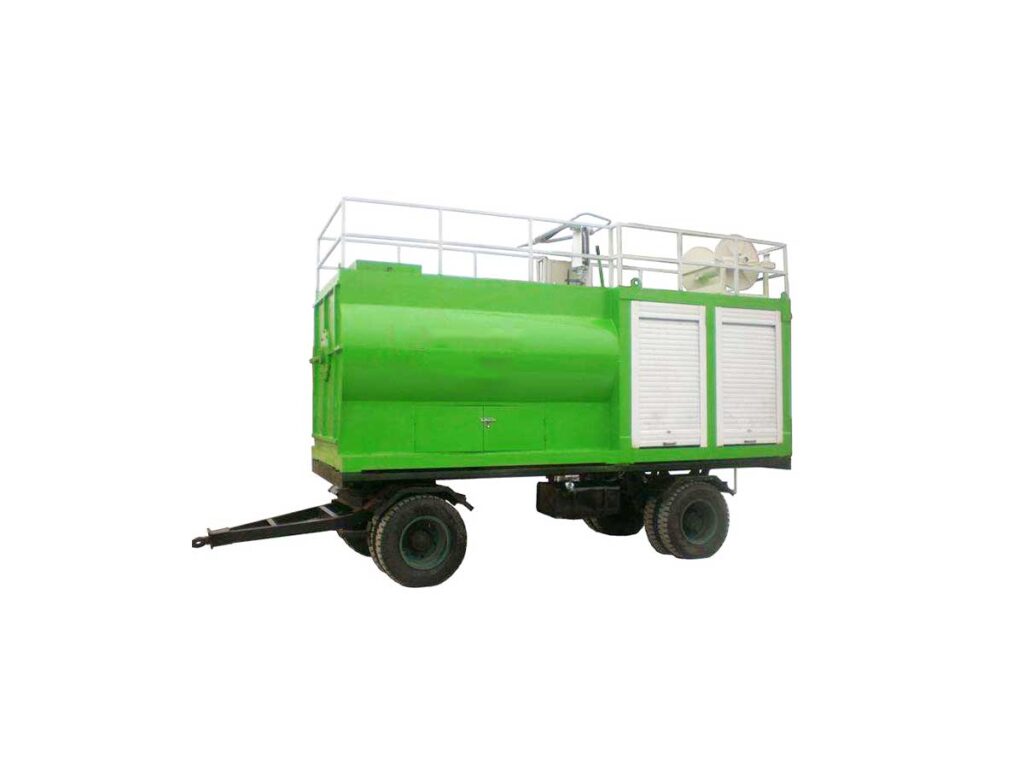
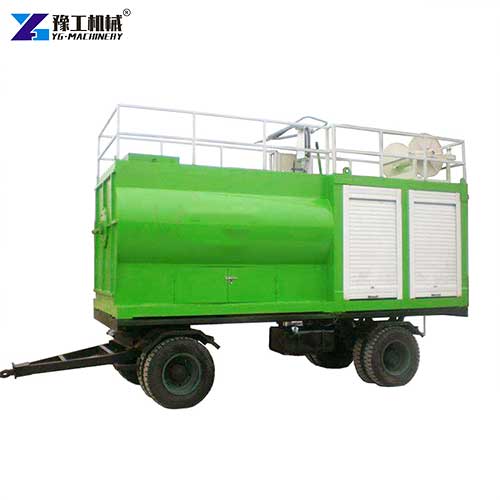

A hydroseeding sprayer is specialized equipment designed for slope greening and vegetation establishment projects. It mixes seeds, soil, water-retaining agents, adhesives, and fertilizers inside a tank to form a gel-like slurry, then pumps the mixture directly onto target surfaces through a high-pressure system. This approach creates a uniform protective layer that supports rapid seed germination and healthy plant growth.
You will find two main categories of this small hydroseeding machine on the market: hydraulic and soil-based models. Hydraulic versions work with a lower concentration mixture, around 30 percent and spray a thinner layer of 2 to 3 millimeters. Soil-based models handle a thicker 70 percent concentration and apply a 5- to 8-millimeter layer for more demanding terrain. A hydromulch machine falls into this same equipment family and serves the same core purpose of distributing seeded slurry across difficult landscapes.
Hydroseeding Sprayer
| Item | YG-2 | YG-4 | YG-6 | YG-8 |
| Tank Volume | 2m³ | 4m³ | 6m³ | 8m³ |
| Spraying Area | 200-500m² | 500-1500m² | 700-2000m² | 1000-2500m² |
| Spraying Distance | H 20-30m | H 20-35m | H 20-35m | H 24-40m |
| V 10-20m | V 10-25m | V 10-25m | V 15-30 | |
| Pipe Head | H 20-50m | H 20-60m | H 20-70m | H 30-80m |
| V 20-30m | V 30-40m | V 30-40m | V 30-50m | |
| Weight | 1000KG | 1300KG | 1600KG | 1900KG |
| Dimension | 2.5*1.5*1.4m | 3.3*1.5*2.4m | 3.6*1.8*2.4m | 4.2*1.8*2.4m |


Factors That Influence Actual Spraying Distance
Manufacturer specifications list maximum spraying distances, but real-world results depend on several operating conditions. Understanding these variables helps you plan hose lengths and machine placement before you start work.
Material density has the largest impact. Heavier, thicker slurries reduce pumping distance noticeably, while lighter hydraulic mixtures travel farther. This is why soil-based applications, which carry more solid material, typically show shorter effective ranges than hydraulic applications even when using the same machine.
Hose length and diameter also change performance. Longer hoses create more friction loss and reduce pressure at the nozzle. If your project requires reaching far from the machine, you may need to position the unit closer to the work area or accept reduced output at extreme distances.
Pump pressure and engine power set the upper limit. Soil-based models usually come with higher horsepower ratings — 88KW, 145KW, and 247KW are common configurations — specifically to maintain pressure with dense material. A hydromulch machine running a lighter mixture can achieve impressive distances with less power, but will struggle if you overload it with heavy soil-based slurry.
How to Select the Right Hydroseeding Sprayer Capacity for Your Project
Choosing the correct tank size saves time on refills and improves overall project efficiency. You need to consider two main factors: total project area and access to water and material supplies
For compact sites or projects with limited access, a small hydroseeder with a 2-cubic-meter or 4-cubic-meter tank makes the most sense. These small hydroseeders require less space for staging and you can move them between locations with minimal effort. They also work well when you need to cover scattered patches rather than one continuous slope.
Larger 6-cubic-meter and 8-cubic-meter tanks suit bigger projects where refill trips would slow down progress. If your site has convenient water access and you cover hundreds of square meters per day, the larger capacity cuts down on downtime significantly. You should also factor in weight and transportation constraints — the 8-cubic-meter model weighs nearly two tons when empty, so you need appropriate hauling and on-site support.
A small hydroseeding machine often delivers better productivity per hour on smaller jobs because you spend less time positioning and more time spraying. Match your tank size to daily coverage targets rather than automatically choosing the largest available model.


Hydroseeding Mix Ratio and Material Preparation
Getting the mixture right directly affects germination results and spraying performance. Manufacturers recommend a base ratio of 1 part water to 0.5 to 1.5 parts soil to 0.5 parts mulch materials such as rice hulls. This guideline uses sandy soil as the reference baseline. If you work with clay soil, you should reduce the soil proportion accordingly to prevent clogging and ensure smooth pumping.
The mixing process happens directly inside the machine tank. Operators add water first, then gradually introduce soil, seeds, fertilizers, water-retaining agents, and binding agents while the agitator runs. This sequence prevents clumping and ensures every component disperses evenly throughout the slurry. A properly mixed hydroseeding sprayer batch flows consistently through the pump and produces a uniform layer on the target surface.
A hydroseeding sprayer handles this mixing process in the same way, but operators often adjust ratios depending on whether they are running a hydraulic or soil-based application. Soil-based mixes require higher solid content and more powerful agitation to keep heavy materials suspended.
Hydroseeding Sprayer For Sale – YG Machinery
YG builds reliable hydroseeding sprayer equipment for slope greening contractors and landscaping professionals worldwide. The company offers four standard tank sizes and both hydraulic and soil-based configurations to match different project scales and terrain requirements. If you need help selecting the right model for your upcoming project, reach out to the YG team for personalized recommendations and pricing. Send your project details today and receive a tailored solution that fits your coverage needs and budget.